TL;DR
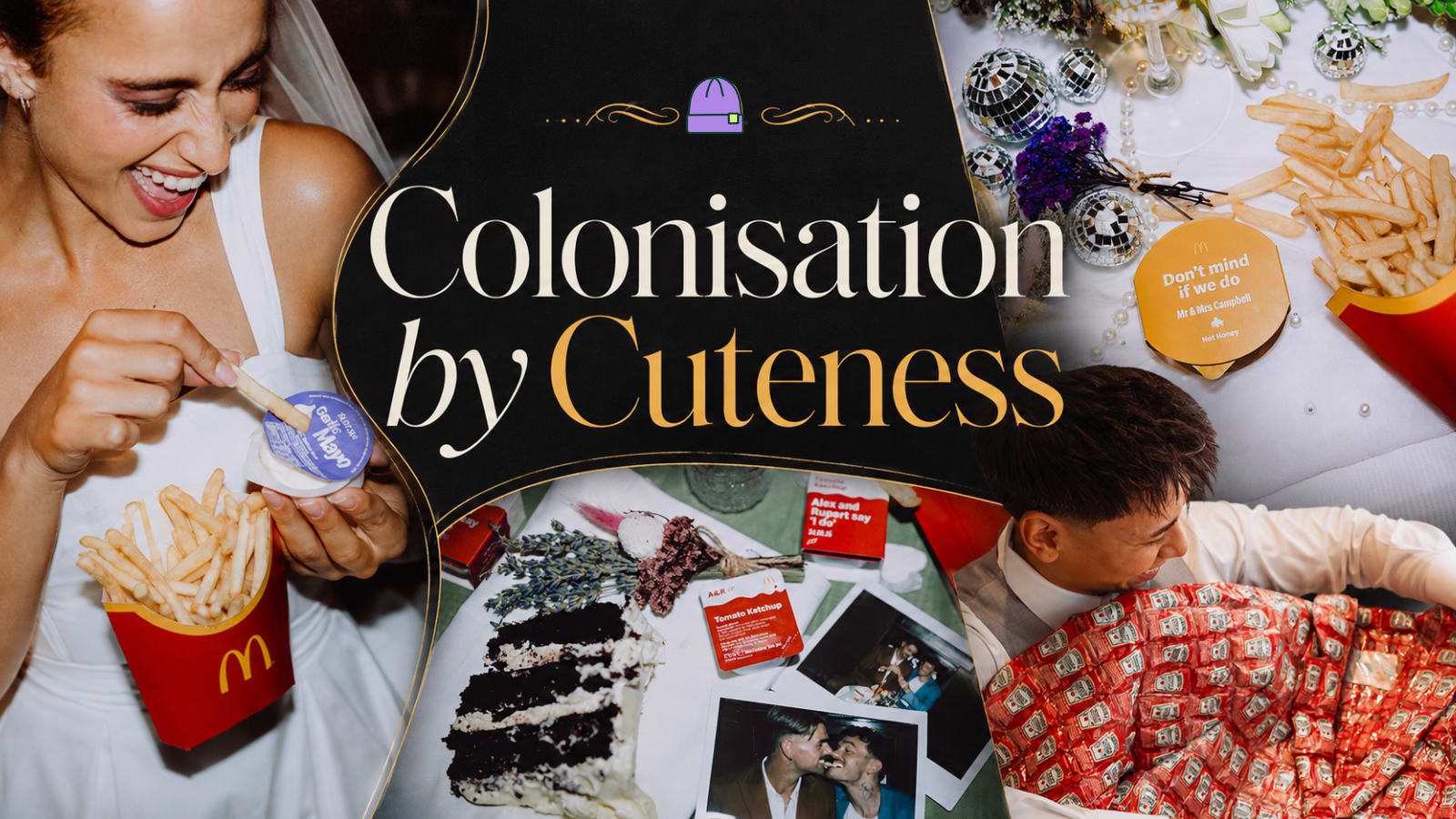
McDonald's UK turned its sauce pots into personalised wedding favours, and the internet melted. But look one inch closer and it's not a cute PR stunt, it's a land-grab, and the land is your personal life. Heinz did a wedding sauce jacket, a groom sold his suit as a billboard, ketchup got a lid with "love settings," all in a matter of months. The move is always the same: enter the most sacred, brand-free moments through something so small and charming that objecting to it makes you look like the difficult one. It's colonisation by cuteness, and your wedding is only the beachhead. Here's how it works, why it works, and what it's quietly costing.
The Campaign
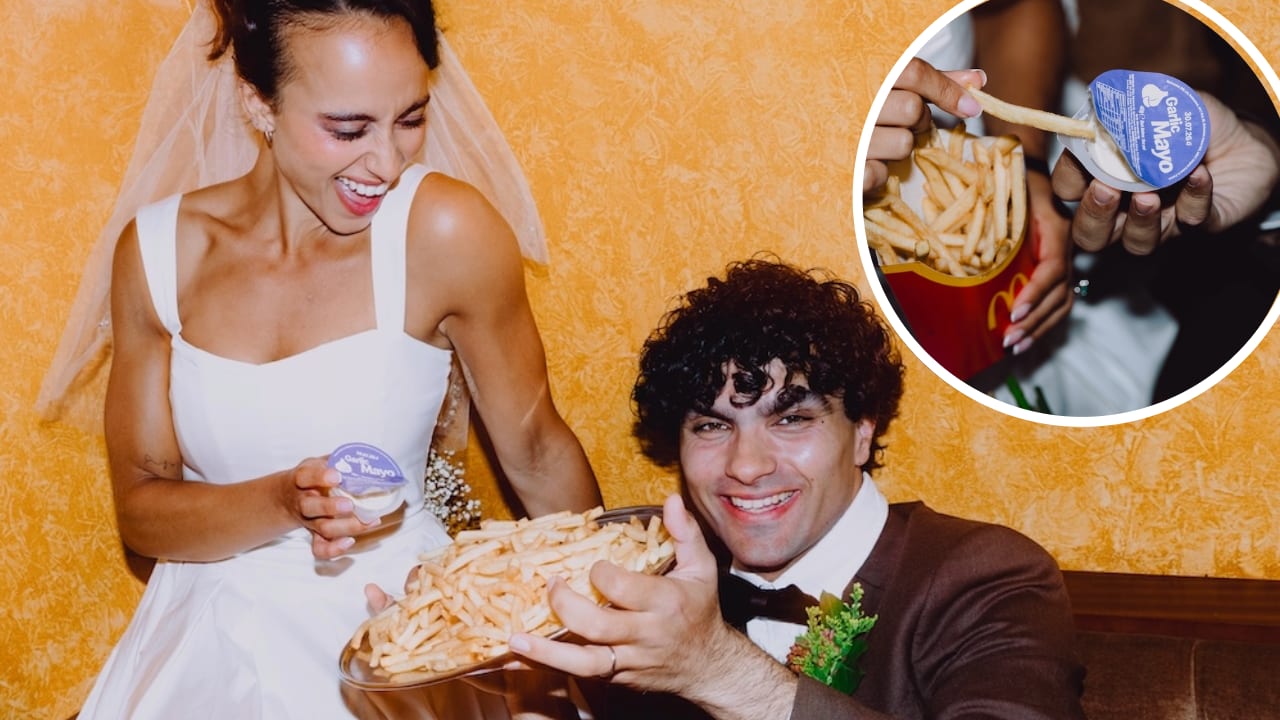
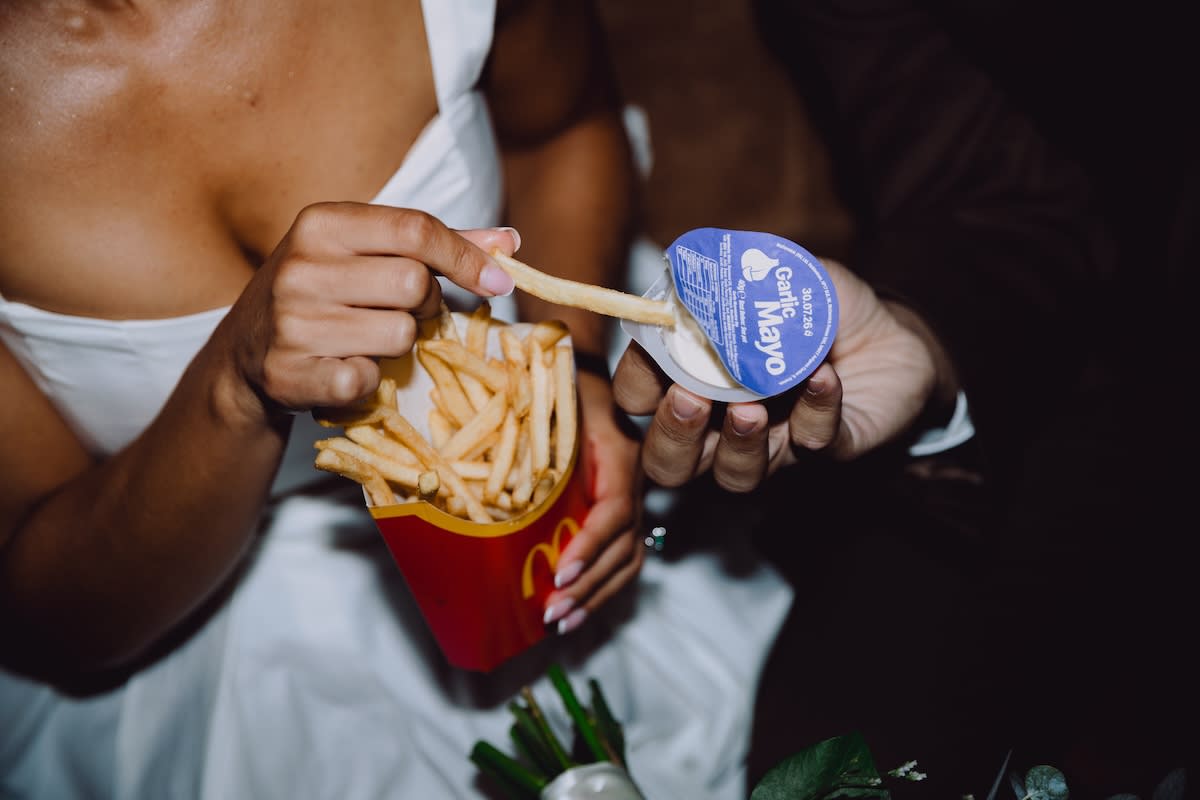
Here's what McDonald's actually did. Wedding Flavours lets couples personalise McDonald's sauce pots for their big day, a bespoke message on the lid, a customisable outer sleeve, repositioning a fast-food condiment as a wedding favour.
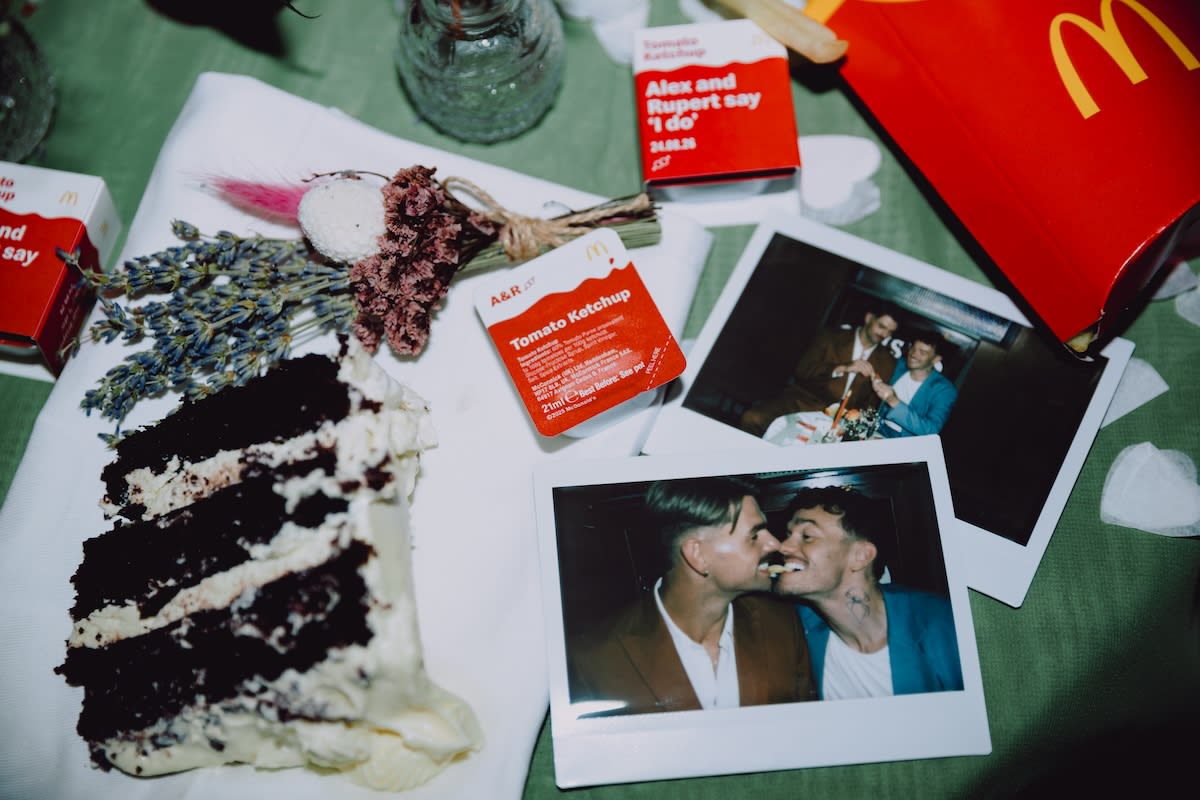
The why is a genuinely smart cultural read. Gen Z is ditching the traditional wedding trimmings, so McDonald's swaps the little bowl of sugared almonds nobody eats for something guests will actually pocket and keep. To launch it, McDonald's is giving 20 couples a full bespoke set, 150 personalised sauce pots and 150 portions of fries for the reception. It was made with Red Consultancy and, in a tell about exactly who this is for, shot by Henry Redcliffe, the photographer known for documenting Charli XCX's tours. That is not a fast-food casting choice. That is a "we are speaking to cool young people, and we want in on their real lives" choice.
What It Actually Is
Strip away the charm and here's the plain version: a fast-food logo just got invited into one of the most private days of a couple's life, and everyone applauded the branding.
That's worth sitting with, because it isn't really about McDonald's, and it isn't a one-off. It's the latest move in a quiet land-grab, and the territory being taken is your personal life. For roughly all of modern history there was an unspoken rule that some moments simply weren't for sale, your wedding, a funeral, the birth of your kid, the first day of school. Those moments were sacred precisely because they were the last spaces on earth with no brand in them. That rule is now being repealed, one adorable object at a time.
The Mechanics: Colonisation by Cuteness
Here's the actual play, and McDonald's is running it beautifully.
A wedding is the highest-emotion, most-photographed, most-shared event in a normal person's life. In marketing terms, it's the richest real estate that exists, and until recently it was almost entirely off-limits. So you don't take it by force. Storm a wedding with a banner and you get thrown out. Instead, you enter through the smallest, most charming detail possible. Not a sponsored arch. A sauce pot. Something so tiny and sweet it reads as a gift rather than an ad, which is exactly how it slips past the "no brands at my wedding" instinct.
And here's the cruel elegance of it: the cuteness disarms the objection. Nobody wants to be the person who got angry at a wedding favour. Objecting makes you the difficult one, the killjoy, the over-thinker. So the logo walks straight in, and you hold the door open and smile. That's colonisation by cuteness. You don't breach the gate. You get invited in as a gift, and the host thanks you for coming.
Then the medium finishes the job. A wedding is a camera event, so that tiny branded object gets photographed, posted, and shared by the guests themselves. The couple pays McDonald's nothing. McDonald's gets its logo into thousands of the most emotionally loaded, most trusted photos on the internet, distributed for free by the very people it just advertised to. You didn't just let a brand into your wedding. You turned your guests into its media buy.
Why It's Working (and Spreading)
Because it's not just McDonald's, and the pattern is the tell.
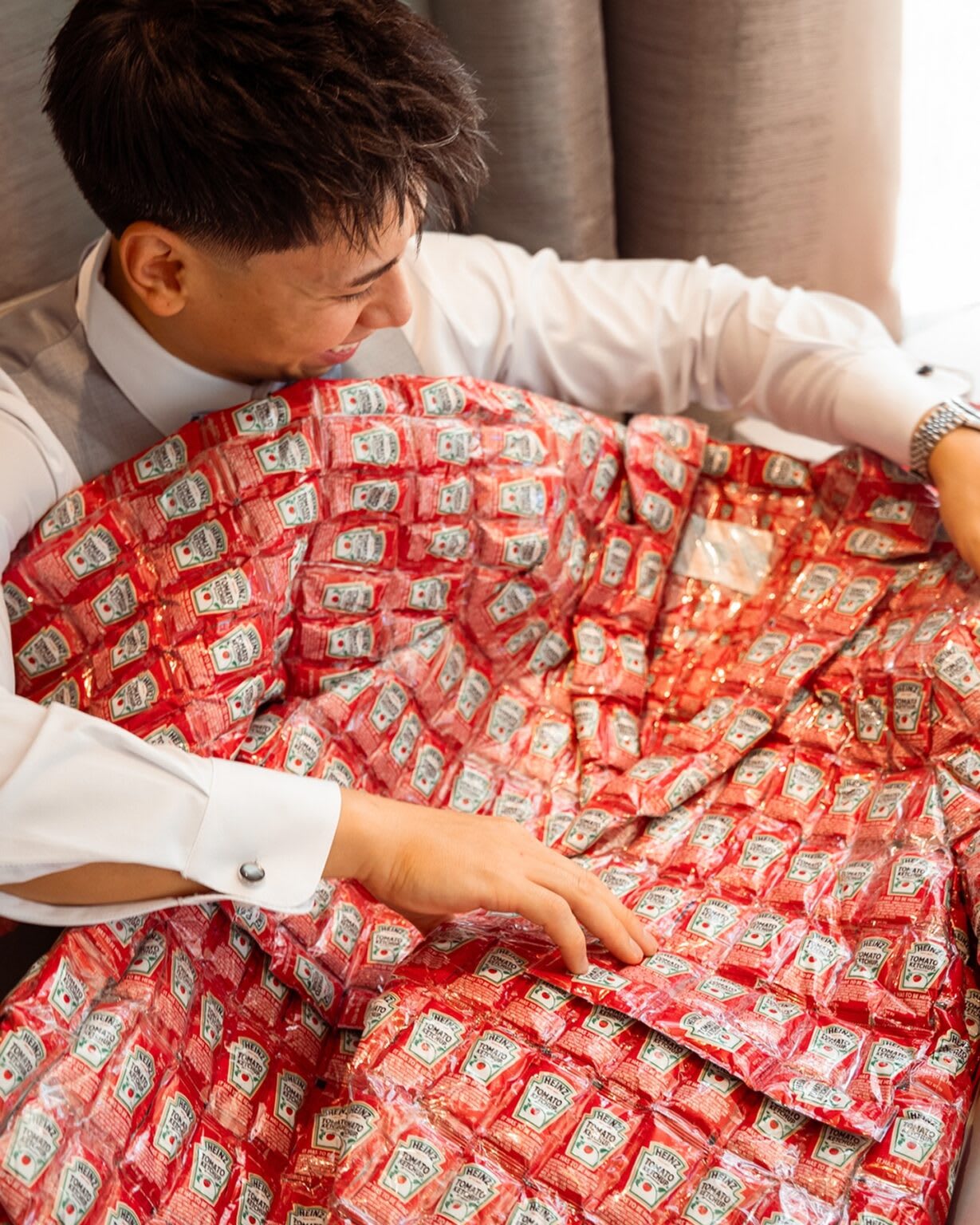
In the same short stretch, Heinz made a custom sauce-packet jacket for a groom, a guy literally turned his wedding suit into a sponsored billboard, and Heinz launched a ketchup lid with "love settings." Brands are racing each other for a slot in the day's smallest, most personal details, and they're doing it for one reason: it's the last high-trust space left.
In a feed where every polished ad reads as an ad and gets skipped on sight, attention is worthless. So brands stopped chasing your attention and started chasing your intimacy, a genuine, invited place inside a moment you actually care about, because that is the one thing you cannot scroll past. Your private life is the last untapped ad space, and it's being rezoned in real time.
The wedding is just the beachhead. The same logic points straight at every private ritual next: the birth, the funeral, the graduation, the first day of school. Wherever the emotion runs highest and the branding has always been zero, that's the frontier. It sounds absurd until you remember that "branded wedding favour" sounded absurd about eighteen months ago too.
What It Costs
So is it charming or is it dystopian? Honestly, it's both, and pretending otherwise is how you miss the point.
Each individual stunt really is sweet, and genuinely opt-in. A McDonald's sauce pot at the wedding of two people who actually love McDonald's is a warm, self-chosen detail, and nobody is being tricked. That is true, and it is also exactly how the erosion works. The danger was never one sauce pot. It's that every sacred moment a brand colonises makes the next colonisation feel a little more normal, until there is no moment left that a logo hasn't touched.
That's the real cost, and it doesn't regenerate. Sacredness is a one-way resource: once a wedding is fair game, it's fair game forever, and the "some moments aren't for sale" instinct gets a little weaker each time we clap. We're applauding the demolition because each brick is so small and so cute we can't see the wall coming down.
Tips to Steal (Use Responsibly)
Enter through the smallest detail, not the biggest. The favour slips past the defences the banner never could. Small and charming reads as a gift, not an ad.
Let the cuteness disarm the objection. People won't fight a thing that's adorable. That's the whole mechanism, and the whole ethical trap.
Go where branding has always been absent. A logo is worth most in the one place people don't expect one. The value is in the contrast.
Make it a camera object. If it's tiny, personal, and photogenic, the guests become your distribution for free.
Know which moments you'll never touch, before the backlash decides for you. The brands that look good in ten years are the ones that left something sacred alone.
McDonald's didn't crash the wedding. It got invited, as a favour, printed on a sauce pot small enough that objecting would have made you the bad guy.
That's the whole trick, and the whole worry, in one object.
The most valuable ad space left isn't a billboard. It's a moment you thought was yours.
Frequently Asked Questions
What is McDonald's Wedding Flavours?+
A McDonald's UK campaign that lets couples personalise its sauce pots as wedding favours, with a custom message on the lid and sleeve. To launch it, McDonald's is giving 20 couples a bespoke set of 150 personalised pots and 150 portions of fries.
Is it a real product you can buy?+
It launched as a competition, with 20 couples winning bespoke sets, rather than an open retail product. The campaign was made with Red Consultancy and shot by photographer Henry Redcliffe.
What is "colonisation by cuteness"?+
It's the tactic of entering a private, brand-free moment through something so small and charming that objecting to it feels petty. The cuteness disarms the natural "no brands here" instinct, so the logo gets welcomed in rather than resisted.
Why are brands marketing at weddings now?+
Because a wedding is the highest-emotion, most-photographed moment in most people's lives, and it's a rare space that has been almost entirely brand-free. In a feed where ads get skipped, an invited place inside a real emotional moment is worth more than any amount of paid attention.
Are other brands doing this too?+
Yes. Heinz made a custom sauce-packet jacket for a groom and launched a ketchup lid with "love settings," and one groom turned his wedding suit into a sponsored billboard. Brands are increasingly competing for the day's smallest personal details.
Is this actually a problem, or just marketing?+
Both. Any single stunt is charming and opt-in. The concern is cumulative: each sacred moment a brand enters makes the next one feel normal, gradually eroding the idea that some moments aren't for sale at all.
Written by

I’m Ramaa, a writer and creator at Scribble. I’ve written two books, and writing is something I always find my way back to, whether that’s articles, scripts, captions, or overly long notes app rambles I swear will “be useful later.” I enjoy thinking about why people create, how ideas spread online, and what makes content feel genuinely human. When I’m not writing, I look after regulatory compliance and legal admin at Scribble, and I’m a graduate of the School of Policy, New Delhi. Outside of work, I’m a musician and an avid reader.