Look at every campaign she's actually made news for, and the same five-step formula shows up every time. This isn't a string of accidents. It's a repeatable machine.
TL;DR
Sydney Sweeney has fronted campaigns for Ford, Armani, Samsung, Laneige, Baskin-Robbins, and Crocs, all perfectly normal endorsements that generated decent engagement and zero headlines. Then there's the other lane: Dr. Squatch's bathwater soap, American Eagle's "Great Jeans," and Novig's nude sports campaign, and every single one of those followed an almost identical structure, a simple pun or hook, a body-forward visual, predictable backlash from a specific critic group, no apology, and real, measurable business results that followed the controversy rather than despite it. American Eagle's stock rose as much as 29% around campaign news and its holiday guidance got raised well above analyst expectations. Novig's Instagram reel pulled 37 million views in four days. And with Novig, Sweeney stopped being paid talent entirely and became an actual equity holder, profiting directly from how far the provocation travels. Here's the formula, campaign by campaign, and what it actually proves.
The Two Lanes
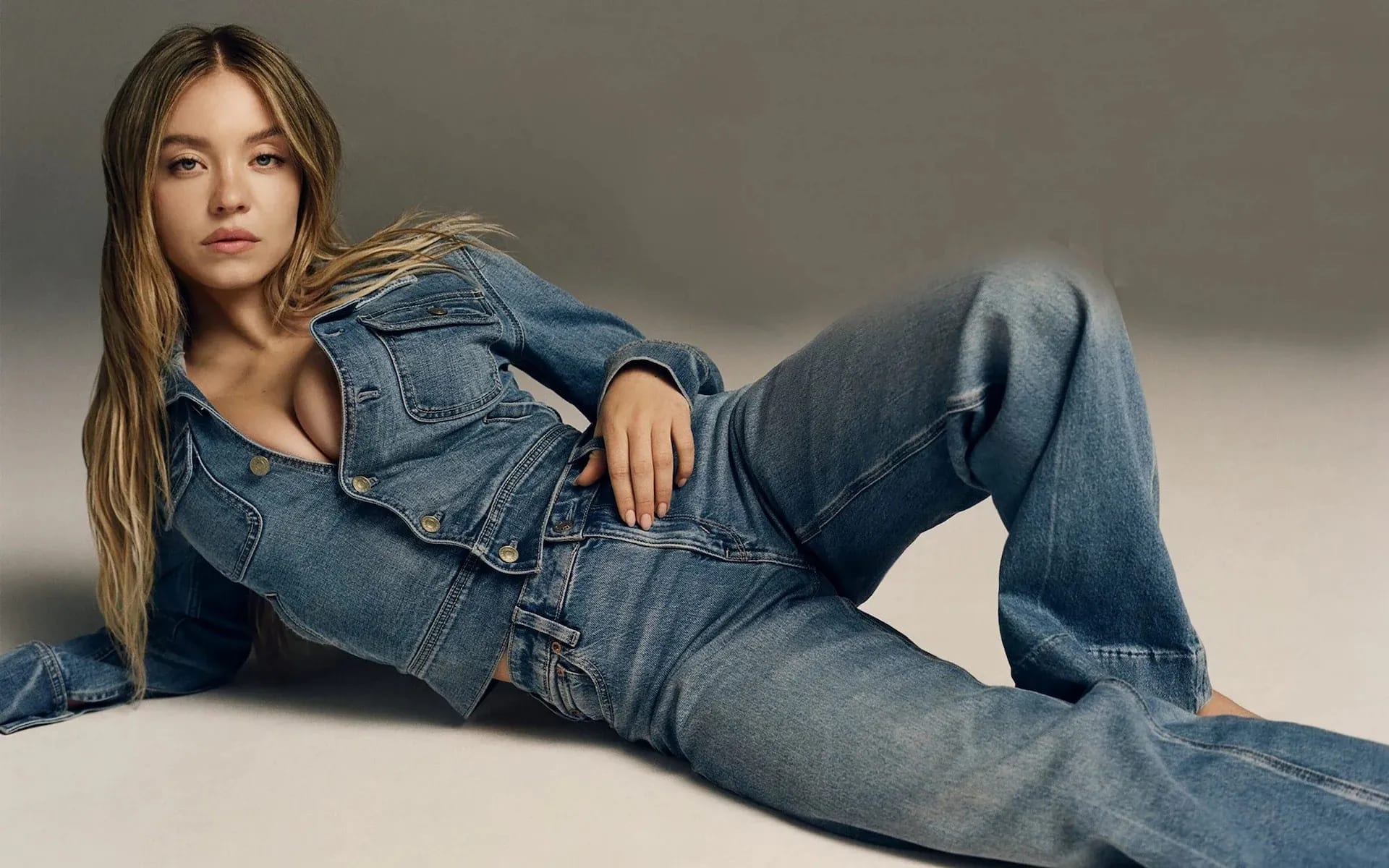
Sort Sweeney's brand work into two piles and the pattern becomes obvious immediately.
Lane one: the safe endorsements. Ford, Armani Beauty, Samsung, Laneige, where she became the first-ever global ambassador, Baskin-Robbins, Crocs. These are conventional, competently executed campaigns. None of them generated meaningful controversy, none of them produced a tracked spike in sales, stock price, or view counts that made news. They function exactly like traditional celebrity endorsements always have, steady, unremarkable, safe.
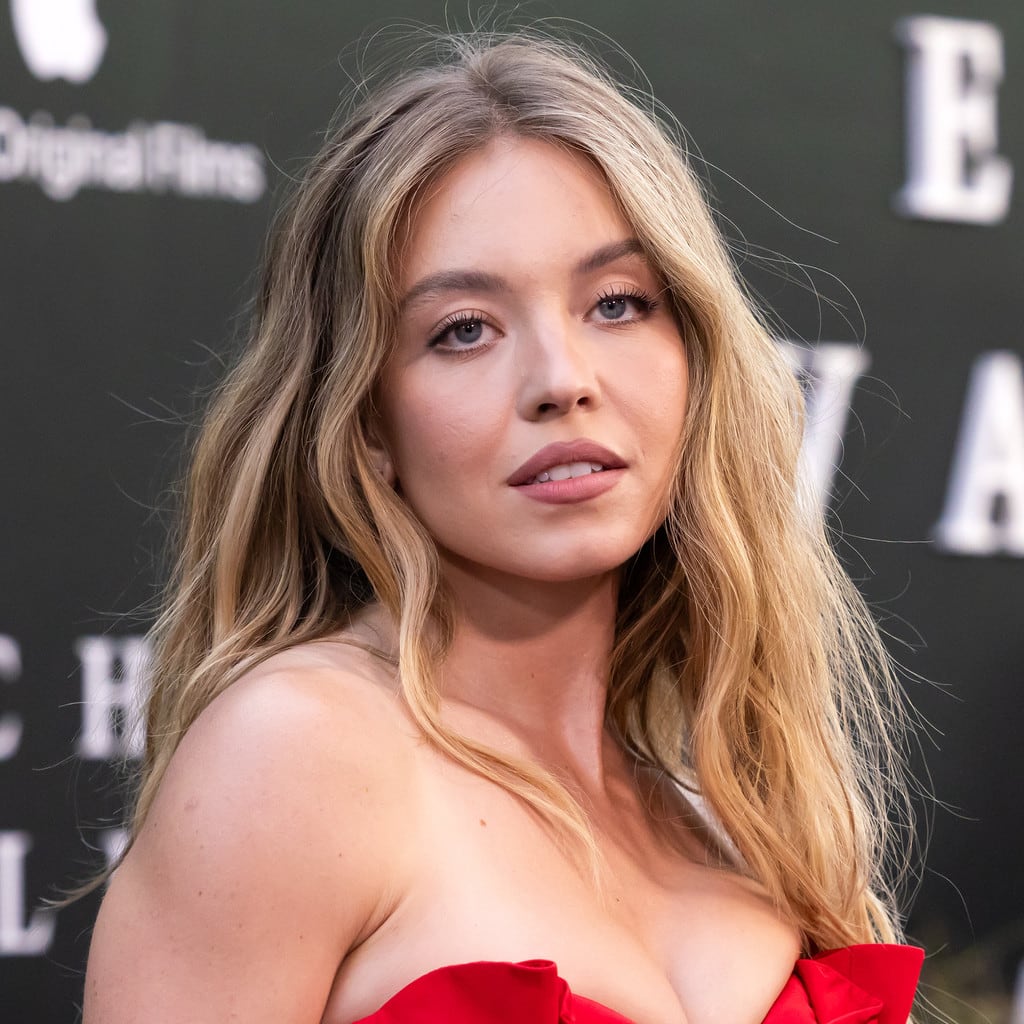
Lane two: the campaigns people actually remember. Dr. Squatch, American Eagle, and Novig. These are the ones that moved metrics, and they share a structure specific enough to call a formula.
Campaign by Campaign
Dr. Squatch body wash (2024). The entry point into the provocative lane. Sweeney fronted a straightforward body wash campaign, playful and slightly cheeky ("dirty little boys" in the copy), that generated millions of views with minimal real backlash. Low stakes, but it established the template: body-adjacent humour, mild innuendo, big reach.
Dr. Squatch "Sydney's Bathwater Bliss" soap (May 2025). The template escalates. A literal soap infused with Sweeney's bathwater. Her own quote frames the whole strategy: "When your fans start asking for your bathwater, you can either ignore it, or turn it into a bar." The announcement video pulled over 10 million views on TikTok alone. Still relatively low controversy, mostly reaction was "weird but funny" rather than genuine backlash, but the reach numbers were now undeniable.

American Eagle "Great Jeans" (July 2025). The formula fully arrives. The campaign played on "genes" and "jeans" as homophones, Sweeney discussing genetic traits passed from parents to offspring while modelling denim. Critics called it eugenics-coded, "white supremacy," and worse. American Eagle never pulled the ad. CEO Jay Schottenstein stood firmly behind it: "You can't run from fear. We stand behind what we did." The business results: stock jumped 10% in regular trading and over 17% after-hours the day it launched, rose as much as 23-29% at various points tied to campaign news, and the company's combined Sweeney and Travis Kelce campaigns generated 40 billion impressions. Holiday-quarter guidance was raised to 8-9% comparable sales growth against analyst expectations of just 2.2%. The specific jean she wore sold out within a week. The one complicating data point: in-store foot traffic actually declined nearly 9% in the weeks immediately following launch, so the controversy converted spectacularly online without necessarily driving people into physical stores. American Eagle followed up with a winter jeans line tied to Crisis Text Line, a domestic violence charity, a softening move after the backlash.

Novig "Just Sports" (September 2026). The formula's most extreme version yet, and the incentive structure changes with it. Sweeney appears nude or nearly nude, covering herself with sports equipment, for Novig, a sports-only prediction market. The tagline: "Novig is just sports. So they wanted to show just sports." The Instagram reel alone hit 37 million views in four days. And critically, Sweeney isn't simply paid talent here, Novig's own CEO confirmed she's a strategic partner and equity holder in the company. The backlash was immediate and came from a specific, credible source: real Olympic athletes. Four-time Olympic gold medallist Ariarne Titmus called it "a kick in the face to every woman who has dedicated her life to perfecting her craft." British sprinter Amy Hunt called it out live on BBC Sport. Sweeney didn't retreat, she responded on her own Instagram Stories with images of real athletes photographed nude for sports publications, implicitly defending the campaign's legitimacy.
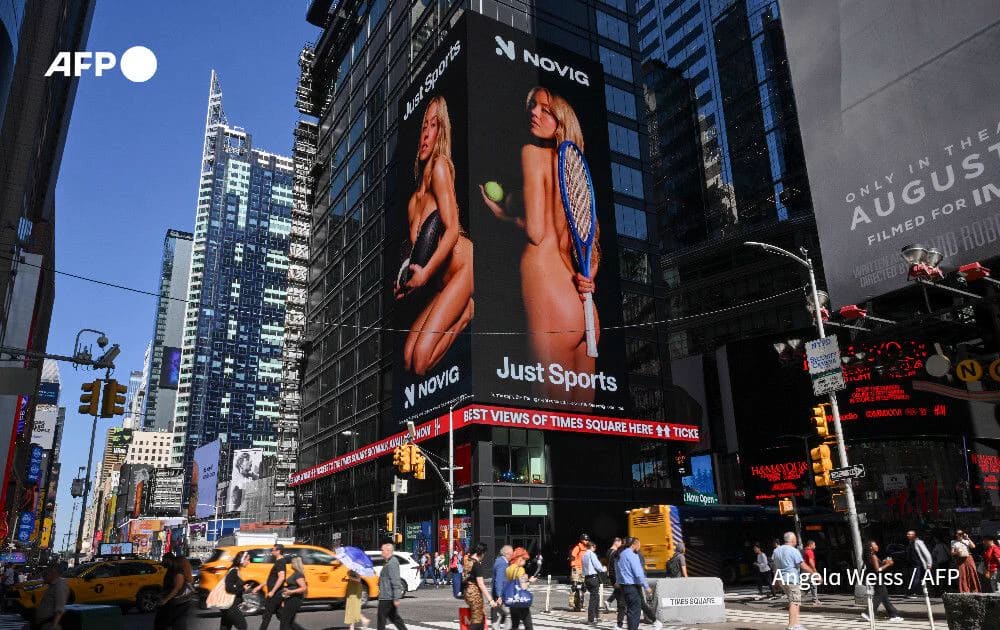
The Five-Step Formula
Line the provocative-lane campaigns up together and the shared structure is unmistakable.
One: a simple, quotable hook. "Genes/jeans." "Bathwater, but a bar of soap." "Just sports." Each campaign compresses its entire idea into something a headline writer barely has to edit.
Two: a body-forward visual. Every high-metric campaign leans on Sweeney's physicality directly, denim, bathwater, near-nudity, rather than a product feature or a lifestyle shot.
Three: predictable backlash from a specific, sympathetic critic group. Each controversy activated an audience with genuine standing to object, accusations of eugenics-adjacent messaging for American Eagle, real Olympic athletes for Novig. This isn't random internet outrage, it's backlash from people whose objection is inherently newsworthy.
Four: no apology, no retreat. Every brand and Sweeney herself held the line publicly. American Eagle's CEO explicitly refused to "run from fear." Sweeney told People she was "surprised by the reaction" but never disavowed the campaign itself.
Five: earned media does the real distribution. None of these campaigns needed to buy the reach that mattered most. The backlash itself, quote-tweets, athlete statements, news coverage debating whether the ad was offensive, generated exponentially more impressions than the paid media buy ever could on its own.
Why the Equity Shift Matters
The Novig deal is the detail that turns this from "Sweeney keeps landing in controversial ads" into something more structural. A traditional celebrity endorsement pays the same fee whether the campaign flops or explodes. An equity stake means Sweeney's financial upside is now directly tied to how far and how fast a campaign travels, which includes how much controversy it generates. That's not necessarily evidence of calculation on her part, but it does mean the formula above isn't just something brands are choosing to run near her. It's increasingly something she has a direct financial incentive to be part of, on either side of the camera.
Why It Works
Because controversy converts attention into something free media buys can't reliably replicate: an argument people want to participate in. A conventional ad asks you to watch. A provocative one asks you to take a side, and taking a side means posting, quoting, defending, or attacking, all of which spreads the campaign further than its media budget alone ever could. American Eagle's 40 billion impression figure and Novig's 37 million views in four days weren't purchased outright. They were earned by giving people something worth arguing about.
The Honest Limit
Worth naming plainly: this formula isn't risk-free, and it doesn't always land clean. American Eagle's foot traffic decline shows online virality doesn't automatically translate into every kind of real-world business outcome. And the backlash is often genuine, not manufactured, real people with legitimate standing to object, whose criticism the brand is functionally treating as a distribution mechanic rather than a concern to resolve. That's the uncomfortable trade the formula depends on: it works because the offence is real enough to be newsworthy, which means someone's real objection is, by design, part of the business model.
Tips to Steal (Carefully)
A campaign that asks people to take a side spreads further than one that asks them to simply watch. Agreement is passive. Disagreement is active, and active is what travels.
The backlash needs a credible source to be worth anything. Random internet anger fades fast. Objection from people with genuine standing, athletes, advocacy groups, experts, is what makes a controversy newsworthy rather than just noisy.
Holding the line matters as much as the provocation itself. An apology or retraction ends the news cycle early. Standing firm keeps the story, and the free distribution, alive longer.
Align incentives with the outcome you actually want. Novig's equity stake for Sweeney shows brands are starting to structure deals so the face of the campaign benefits from its full performance, not just its existence.
Know which lane you're actually choosing. The safe lane is lower risk and lower ceiling. The provocative lane can produce huge numbers, but it requires being genuinely willing to absorb real, credible criticism as the cost of the reach.
Sydney Sweeney hasn't just been in a few viral ads.
She's become a working demonstration of a formula, and the fact that Novig structured her as an owner rather than just a face suggests at least one company has stopped treating that formula as an accident.
Controversy isn't a risk these campaigns are managing. It's the mechanism they're built on.
Frequently Asked Questions
What is "the Sydney Sweeney effect"?+
A pattern observed across Sydney Sweeney's most talked-about brand campaigns, Dr. Squatch, American Eagle, and Novig, where a simple hook, a body-forward visual, predictable backlash from a credible critic group, and a refusal to apologise combine to generate outsized earned media and measurable business results.
Which Sydney Sweeney campaigns actually moved business metrics?+
American Eagle's "Great Jeans" campaign was tied to stock gains of up to 29%, 40 billion combined impressions with a related Travis Kelce campaign, and raised holiday sales guidance. Novig's campaign generated 37 million Instagram views in four days. Her Dr. Squatch bathwater soap announcement drew over 10 million TikTok views.
Is Sydney Sweeney paid the same way for every campaign?+
No. For Novig, she is a strategic partner and equity holder rather than simply paid talent, meaning her financial upside is directly tied to the company's growth and the campaign's performance, a different structure than her earlier endorsement deals.
Did the American Eagle controversy actually hurt sales?+
Not according to the company. American Eagle's CEO credited the campaign for increased customer awareness and comparable sales, and the company raised its holiday guidance well above analyst expectations, though in-store foot traffic did decline in the weeks immediately following the ad's release.
Why did Sydney Sweeney's Novig ad draw criticism from athletes specifically?+
Because the campaign, despite being for a sports-focused platform, centred on Sweeney's nudity rather than athletic skill, which several Olympic and professional athletes said undermined efforts to represent women in sports for their athletic achievements rather than their appearance.
Written by

I’m Ramaa, a writer and creator at Scribble. I’ve written two books, and writing is something I always find my way back to, whether that’s articles, scripts, captions, or overly long notes app rambles I swear will “be useful later.” I enjoy thinking about why people create, how ideas spread online, and what makes content feel genuinely human. When I’m not writing, I look after regulatory compliance and legal admin at Scribble, and I’m a graduate of the School of Policy, New Delhi. Outside of work, I’m a musician and an avid reader.