
TV 2 Denmark took an iconic park bench, the kind everyone in the city has sat on a hundred times, and raised it 85 centimetres. That's not a design choice. That's the UN's sea-level estimate for 2100, and it's the whole campaign.
TL;DR
People had stopped reacting to climate change reports. Melting glaciers, rising numbers, another chart, another headline, another scroll past. So TV 2 Denmark, one of the country's biggest broadcasters, took the Copenhagen Bench, a genuine design icon that locals sit on every day without thinking twice, and built 15 of them 85 centimetres taller than normal, using upcycled metal and recycled wood. That height isn't arbitrary. It's exactly what the UN Climate Report estimates sea levels could rise by 2100 if warming continues. Placed in central locations across Denmark's biggest cities, the benches made a familiar object suddenly, physically wrong, and made 1 in 3 Danes talk about climate change, with 8 in 10 agreeing everyone shares responsibility for doing something about it. The campaign reached 370 million people. Here's why turning a statistic into a bench worked better than any climate ad could have.
The Problem TV 2 Was Actually Solving
Before the bench, there's a real insight worth naming: climate messaging had gone numb. People had seen so many melting-iceberg images and so many "the science is clear" reports that the entire genre had become background noise. As one of Denmark's largest public broadcasters, TV 2 felt it had a duty to actually move the needle on the conversation, not just add one more report to the pile that people would nod at and forget.
The problem wasn't that people didn't know climate change was happening. It's that the knowing had stopped meaning anything. A familiar warning delivered in a familiar format gets filed as familiar, and filed things get ignored.
The Campaign
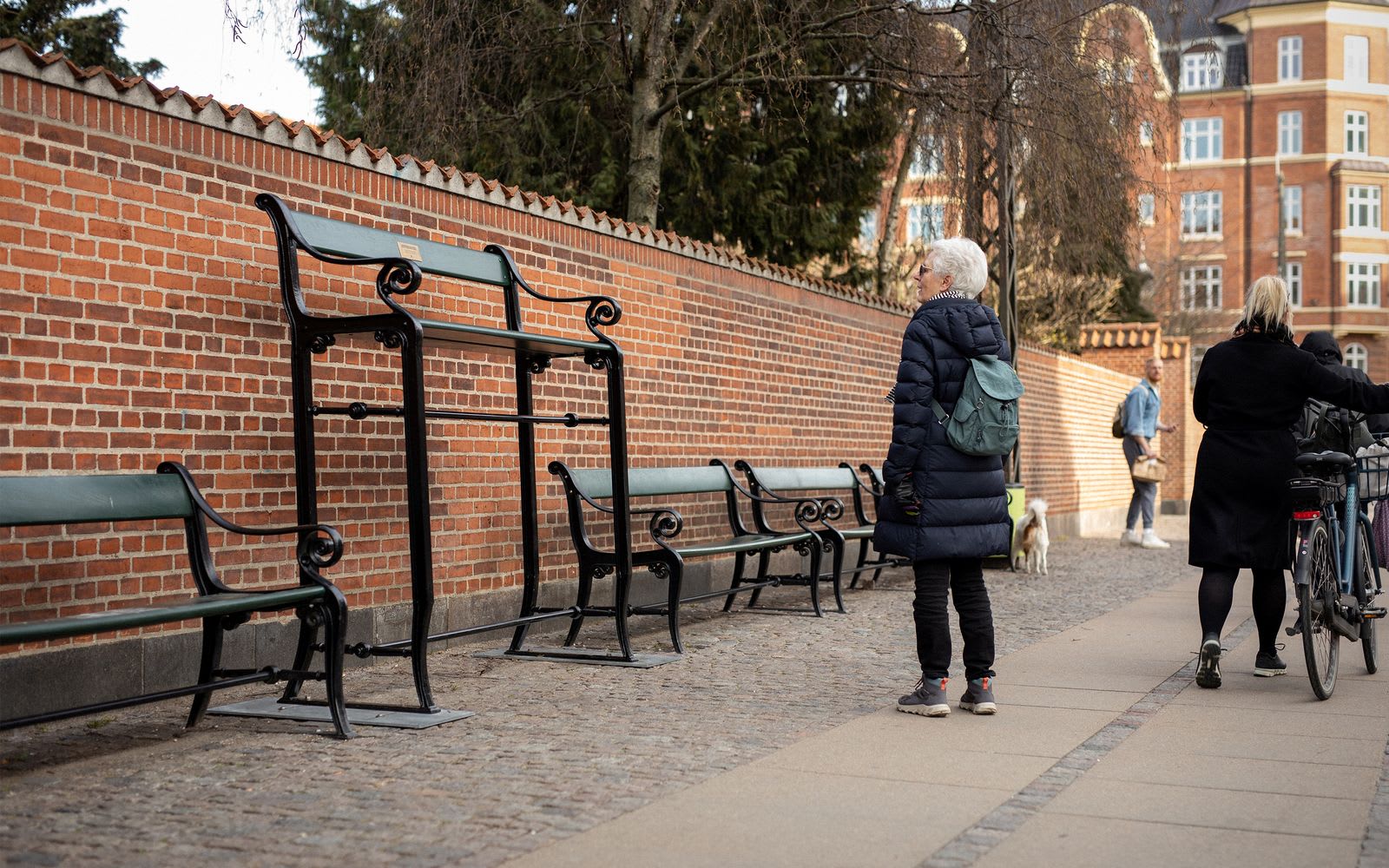
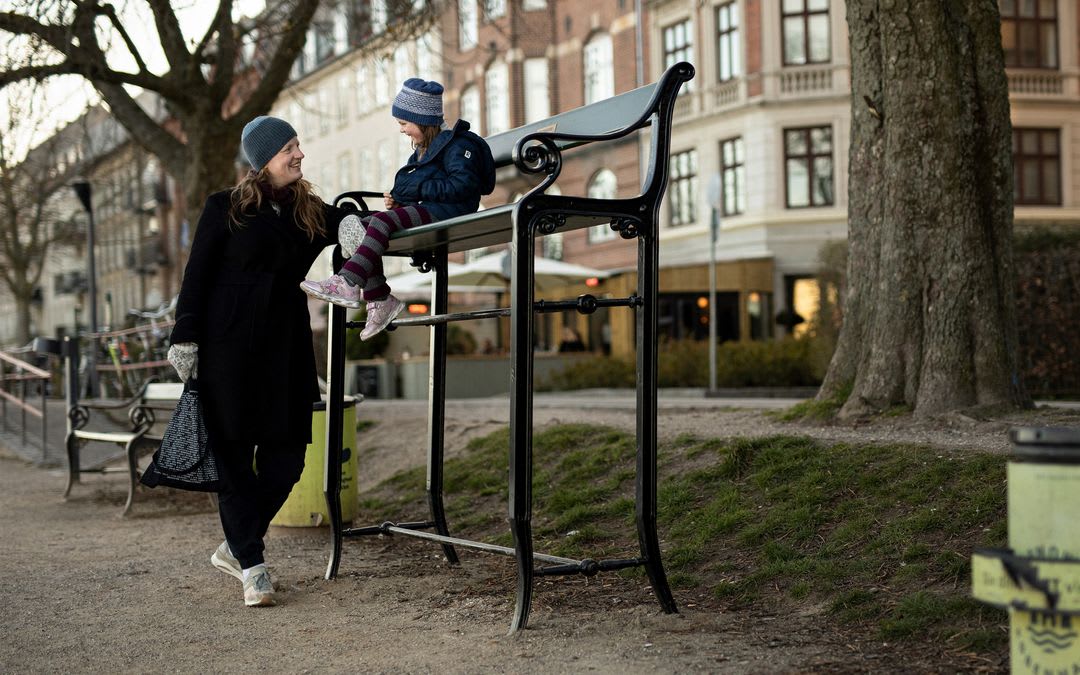
Here's what TV 2 actually built. Using the Copenhagen Bench, a well-known piece of Danish public design, TV 2 constructed 15 of them from upcycled metal and recycled wood, each one raised 85 centimetres above the normal height, matching the UN Climate Report's estimate for how much sea levels could rise by 2100 under continued warming.
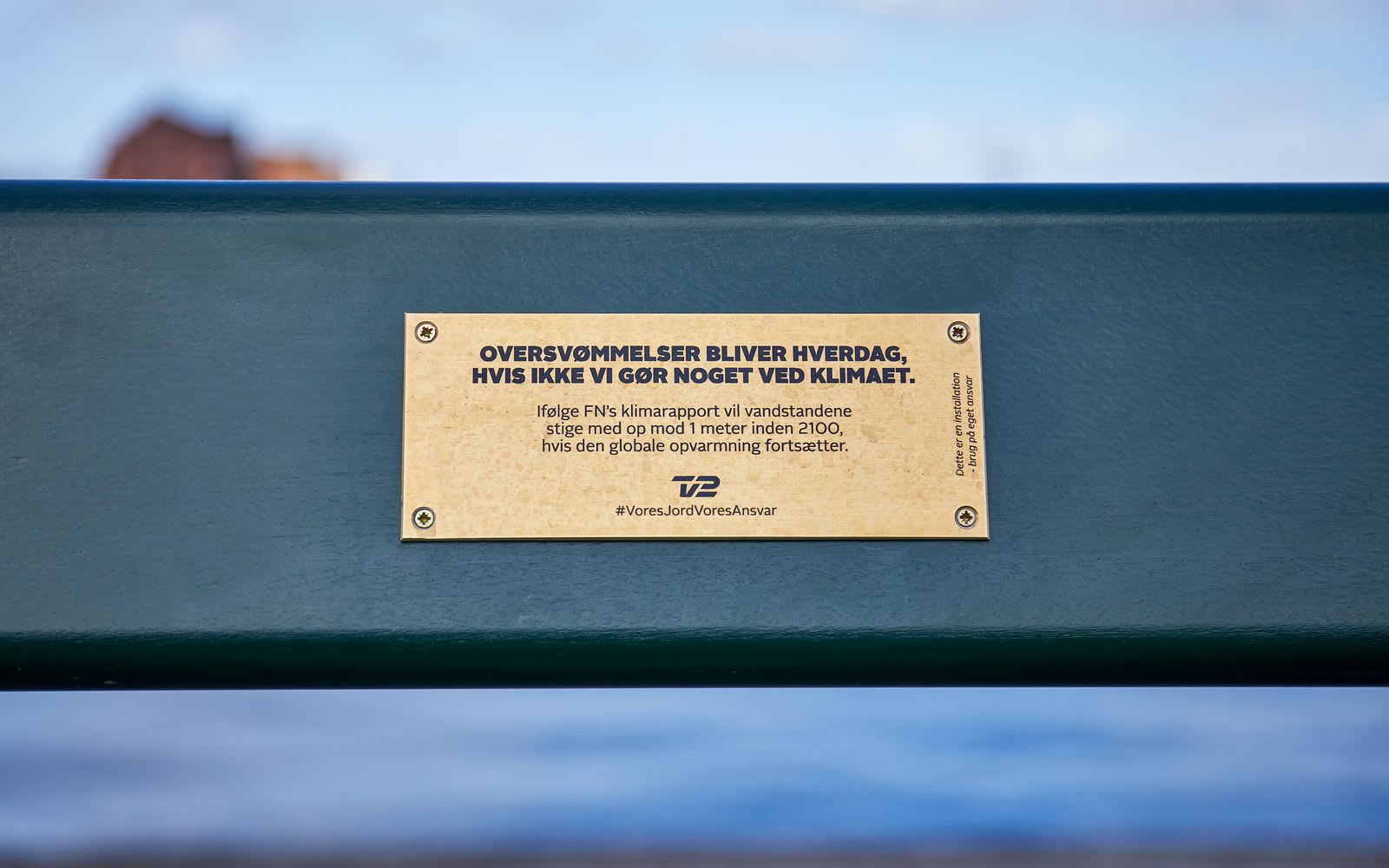
A copper plate mounted on the front of each bench spelled out exactly what the height meant: flooding will become part of everyday life unless something changes, citing the same UN estimate directly. The benches were installed in central, high-footfall locations across Denmark's largest cities, benches so normal-looking from a distance that people would walk toward them expecting to sit, only to find the seat sitting at chest height.
Why a Bench, Specifically
The choice of object matters here more than it might first seem. A random sculpture or an abstract art installation invites admiration or confusion. A bench invites a specific, physical, personal action, sitting down, and the campaign hijacked that exact expectation.
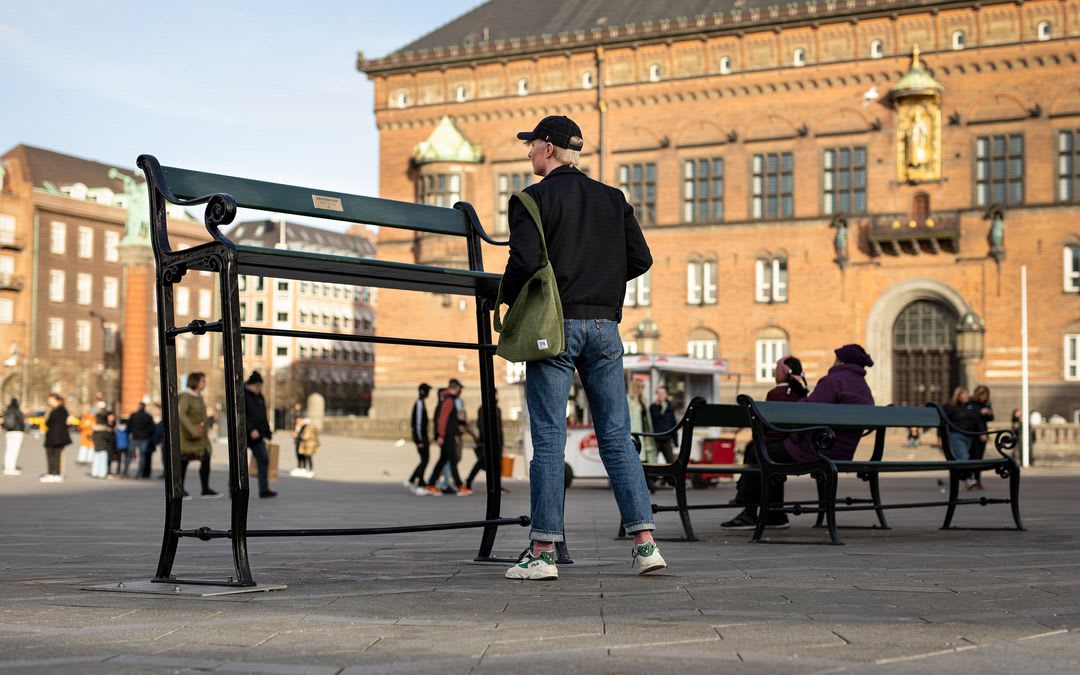
Everyone in Copenhagen has an unconscious, embodied relationship with what a bench should feel like. You know its height in your body before you think about it. So when that exact object is suddenly 85 centimetres too tall, the wrongness isn't intellectual, it's physical. You don't have to read a headline to feel it. Your own body, walking up expecting to sit and finding you can't, does the persuading before a single word is read. That's a completely different kind of communication than a chart, because a chart asks your brain to process information, while a too-tall bench makes your body register a problem before your brain even catches up.
The Numbers That Prove It Worked
The results are the reason this is worth studying rather than just admiring. The campaign reached 370 million people across Danish and international media once it went viral. Research afterward found that 1 in 3 Danes talked about climate change specifically because of the campaign, and, more importantly, 8 in 10 Danes agreed that everyone shares responsibility for changing course. That second number is the one that actually matters. Reach tells you a message travelled. Agreement on shared responsibility tells you the message did the harder thing, it moved people from spectators of a problem to participants who see themselves inside it.
Why It Works
Because it translates a number nobody can feel into a physical experience nobody can ignore, using an object people already had a body-level relationship with.
Most climate communication runs on data, degrees of warming, parts per million, metres of ice lost, numbers that are accurate and completely unfeelable. A rise of 1 metre by 2100 is abstract on a page and impossible on a bench you were about to sit on. TV 2 didn't invent a new argument about climate change. It took an argument that already existed in a UN report and gave it a body, literally, a height you could stand next to and measure yourself against.
It also avoided guilt entirely, which matters. The bench doesn't accuse anyone of anything. It doesn't say "you did this." It simply presents a fact, physically, and lets the wrongness of the height make the argument on its own. That's a very different emotional register from most climate messaging, which tends to lean on alarm or blame. Confusion, then realisation, then concern is a gentler and, based on the results, more effective path than being told you're the problem.
Tips to Steal
Turn the abstract number into something you can stand next to. A statistic on a page and the same statistic built at real, physical scale are not the same message, even though they're the same fact.
Hijack an object people already have a body-level relationship with. A bench works because everyone already knows, in their body, what a bench should feel like. Find your version of that familiar object.
Let the wrongness be self-evident. The best version of this kind of work needs no explanation once you encounter it physically. The copper plate confirms the thought, it doesn't create it.
Skip the guilt, keep the fact. The bench doesn't blame anyone. It just presents reality at a scale you can't unsee, which invites concern rather than defensiveness.
Measure the harder number, not just reach. 370 million people saw this. The number that actually proves it worked is that 8 in 10 agreed they were responsible. Track belief change, not just impressions.
Nobody needed to explain the UN's sea-level report to a person who just tried to sit down and found the bench up at their chest.
Their body already understood the problem before their brain caught up.
The best way to make people feel a number is to build it, and then let them try to sit on it.
Frequently Asked Questions
What was the Copenhagen Bench campaign?+
A campaign by TV 2 Denmark that raised 15 versions of the iconic Copenhagen Bench by 85 centimetres, matching the UN Climate Report's estimate for potential sea-level rise by 2100, and placed them in central locations across Denmark's largest cities to make the abstract statistic physically tangible.
Why was the bench raised exactly 85cm?+
That height matches the UN Climate Report's estimate that sea levels could rise by up to 1 metre before 2100 if global warming continues unchecked, translated into a real, walkable measurement people could physically encounter.
Did the campaign actually change attitudes?+
Yes. Research found that 1 in 3 Danes talked about climate change because of the campaign, and 8 in 10 agreed that everyone has a responsibility to help change course, alongside a media reach of 370 million people.
Why did TV 2 use a bench instead of a billboard or an ad?+
Because a bench carries an unconscious, physical expectation, people know its normal height in their body. Making that familiar object suddenly wrong created an instant, physical realisation rather than requiring people to process a statistic intellectually.
What can marketers learn from this campaign?+
That abstract, important data lands far harder when it's translated into something physical people can stand next to or interact with, and that using an object with an existing body-level familiarity can communicate a fact faster and more powerfully than any written message.
Written by

I’m Ramaa, a writer and creator at Scribble. I’ve written two books, and writing is something I always find my way back to, whether that’s articles, scripts, captions, or overly long notes app rambles I swear will “be useful later.” I enjoy thinking about why people create, how ideas spread online, and what makes content feel genuinely human. When I’m not writing, I look after regulatory compliance and legal admin at Scribble, and I’m a graduate of the School of Policy, New Delhi. Outside of work, I’m a musician and an avid reader.