TL;DR
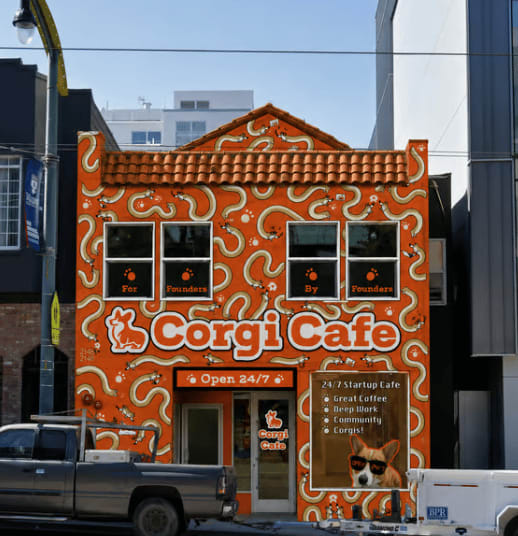
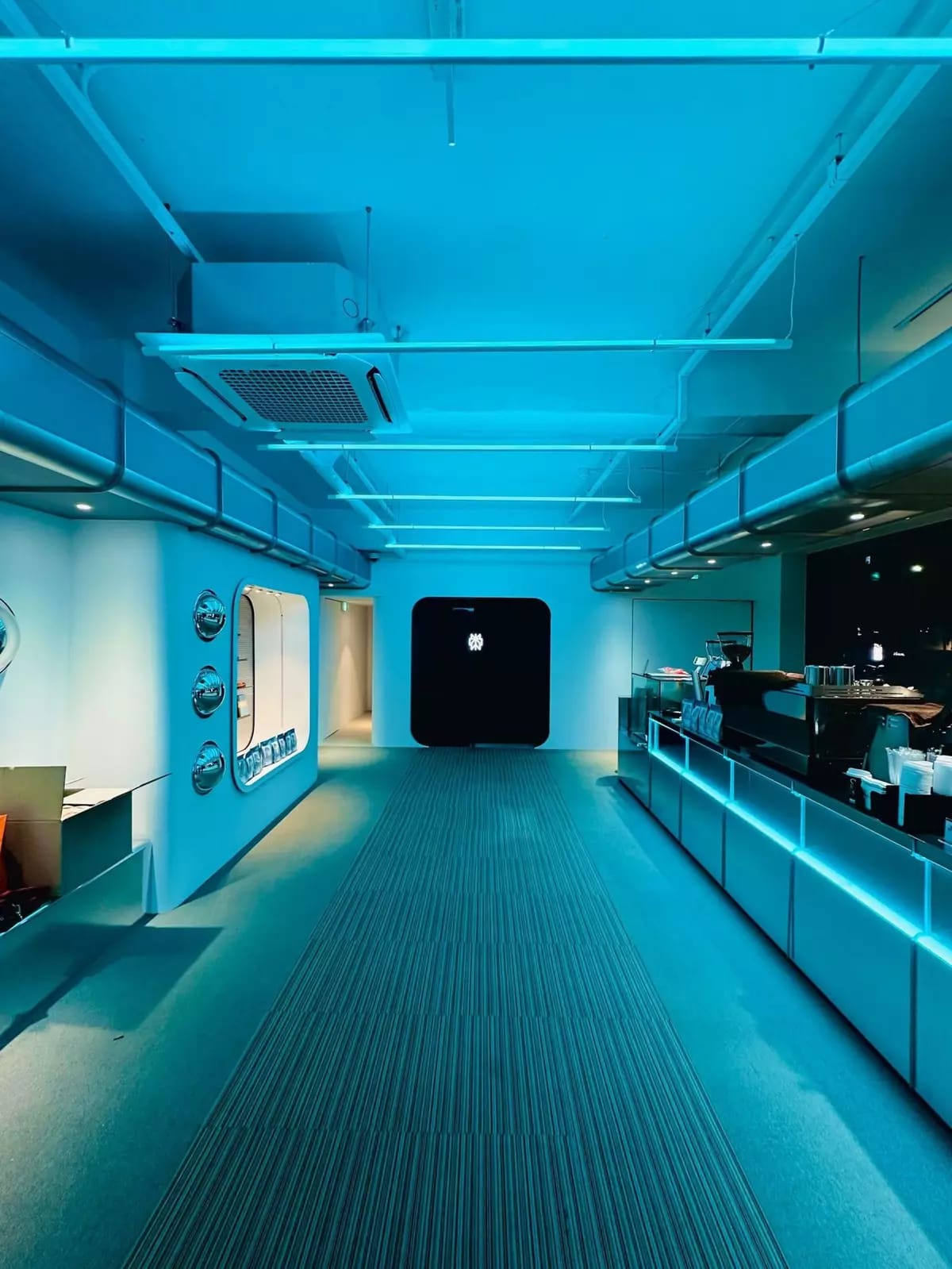
Anthropic ran a Claude Café pop-up in New York's West Village that drew 5,000 visitors and 10 million social impressions in a single weekend. Perplexity opened a permanent coffee shop in Cheongdam-dong, one of the most expensive luxury districts in Seoul, home to Chanel, Hermès and Louis Vuitton flagships. Corgi, an AI insurance startup, runs a 24/7 café that's become an unofficial clubhouse for San Francisco's startup scene, and just signed a lease three blocks from Madison Square Park in New York, in a market renting at roughly $394 per square foot. Cursor did its own version in SF. AngelList's CEO tweeted a poll about turning his office lobby into a café, and two weeks later it existed. None of these companies sell coffee. All of them are spending real money to make you sit in a real chair, in real cities, holding a real cup. Here's why that's not a marketing afterthought, it's the whole point.
The Premise
Here's what's actually happening. A cluster of AI companies, most of them selling something you'll never physically touch, a chat interface, a code editor, an insurance policy processed by a model, are opening coffee shops. Not branded content about coffee. Actual, staffed, operating cafes, with human baristas, real espresso machines, and rent.
Anthropic's Claude Café took over Air Mail's newsstand in New York's West Village for a week, part of its "Keep Thinking" campaign. Visitors got free coffee for downloading the Claude app, "thinking" caps, tote bags, and copies of CEO Dario Amodei's book. Lines snaked down the block. Perplexity opened Café Curious as a permanent location in Seoul's Cheongdam-dong, a neighbourhood so expensive it's nicknamed "the 1% of Korea." At checkout, a touchscreen asks whether you're a Perplexity Pro subscriber, a yes gets you half off, a no gets you a QR code for a free trial. Corgi, an AI-native insurance carrier, runs a 24-hour café in San Francisco that's become "founder heaven," and has since expanded to Atlanta and signed a New York lease steps from Madison Square Park.
Why the Most Expensive Real Estate, Specifically
Here's the part worth sitting with. These aren't cheap pop-ups in overlooked corners. Cheongdam-dong is one of the most expensive commercial districts in South Korea, the kind of address luxury fashion houses fight over. The Herald Square corridor Corgi just leased into averages roughly $394 per square foot. West Village storefronts don't come cheap either.
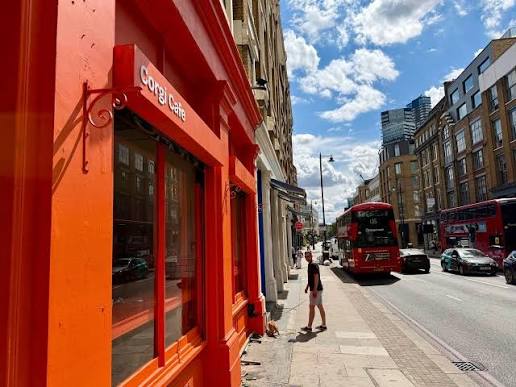
That's not incidental. When your entire product lives inside a browser tab, the location of your one physical footprint becomes the loudest, most legible thing you can say about your ambitions. Renting space next to Chanel and Hermès says, wordlessly, that you belong in that conversation. A company that could run entirely from a server farm choosing the single most expensive square footage available is making a deliberate, expensive statement: we are not a niche tool, we are a serious, prestige brand, and we're willing to pay luxury-tier rent to prove it before you've typed a single prompt.
Why Coffee, Specifically
Coffee is doing very specific work here, and it's not random either.
A coffee shop is the most universally legible "third place" there is, not home, not work, somewhere you go to sit, think, and be around other people without an agenda. AI, as a category, has a trust problem baked into its own success: it's fast, disembodied, and increasingly associated with "slop," the flood of low-effort, machine-generated content nobody asked for. A café is the exact opposite of that reputation. It's slow. It's staffed by actual humans. It smells like something. You have to physically go somewhere to experience it.
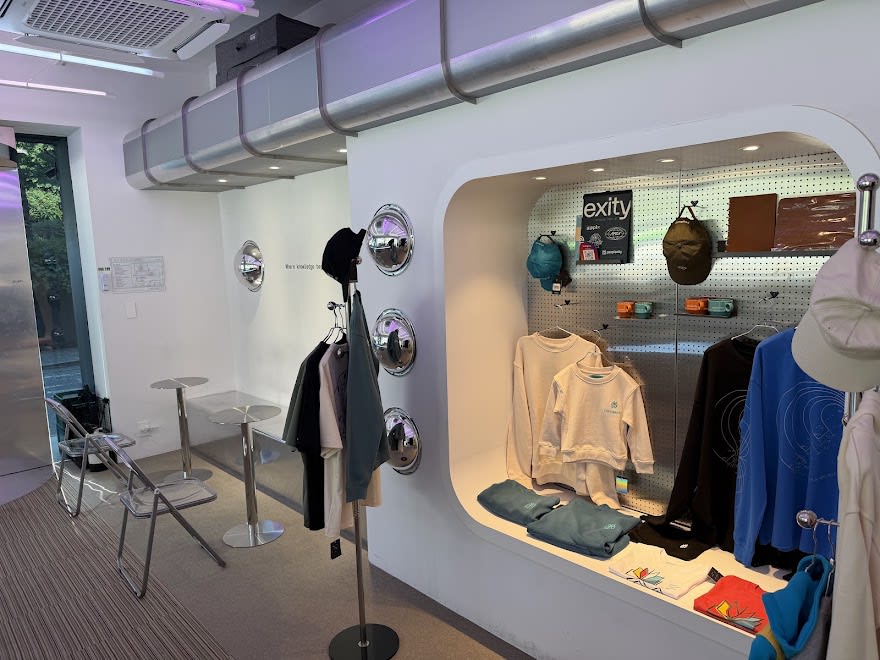
Anthropic made this explicit. Its pop-up was framed as a "zero slop zone," pointedly timed right after a competitor's video model flooded feeds with exactly the kind of content that word describes. Free coffee, pen and paper, a real book, a human barista, this is a company using the most analog experience available to argue, without saying it outright, that its product is the thoughtful alternative to the flood.
The Real Currency: Trust You Can Feel
As brand strategist Karine Hsu put it, "with so many things happening in AI right now, people need to differentiate, because everything feels like a commodity." When every company claims to be the smartest, fastest, most capable model, those claims cancel each other out. A physical space doesn't. You can't fake standing in a room. You can't fake a barista handing you a cup. In a category where the product itself is often invisible and every competitor's marketing sounds identical, a real chair in a real city becomes rare, expensive, and durable proof that a company is willing to show up in a way its competitors haven't. It's marketing you can't screenshot and dismiss as another polished ad, because you were physically inside it.
Why It Works
Because it inverts what people expect from a company whose product is entirely digital. The instinct might be to assume a software company would express ambition through more software, a slicker interface, a flashier demo. Instead, the smartest of them are spending money on the most stubbornly physical, human thing available: a place to sit down. That inversion is what makes it newsworthy in the first place, Anthropic's café became a story precisely because nobody expected an AI lab to care about pen and paper and tote bags.
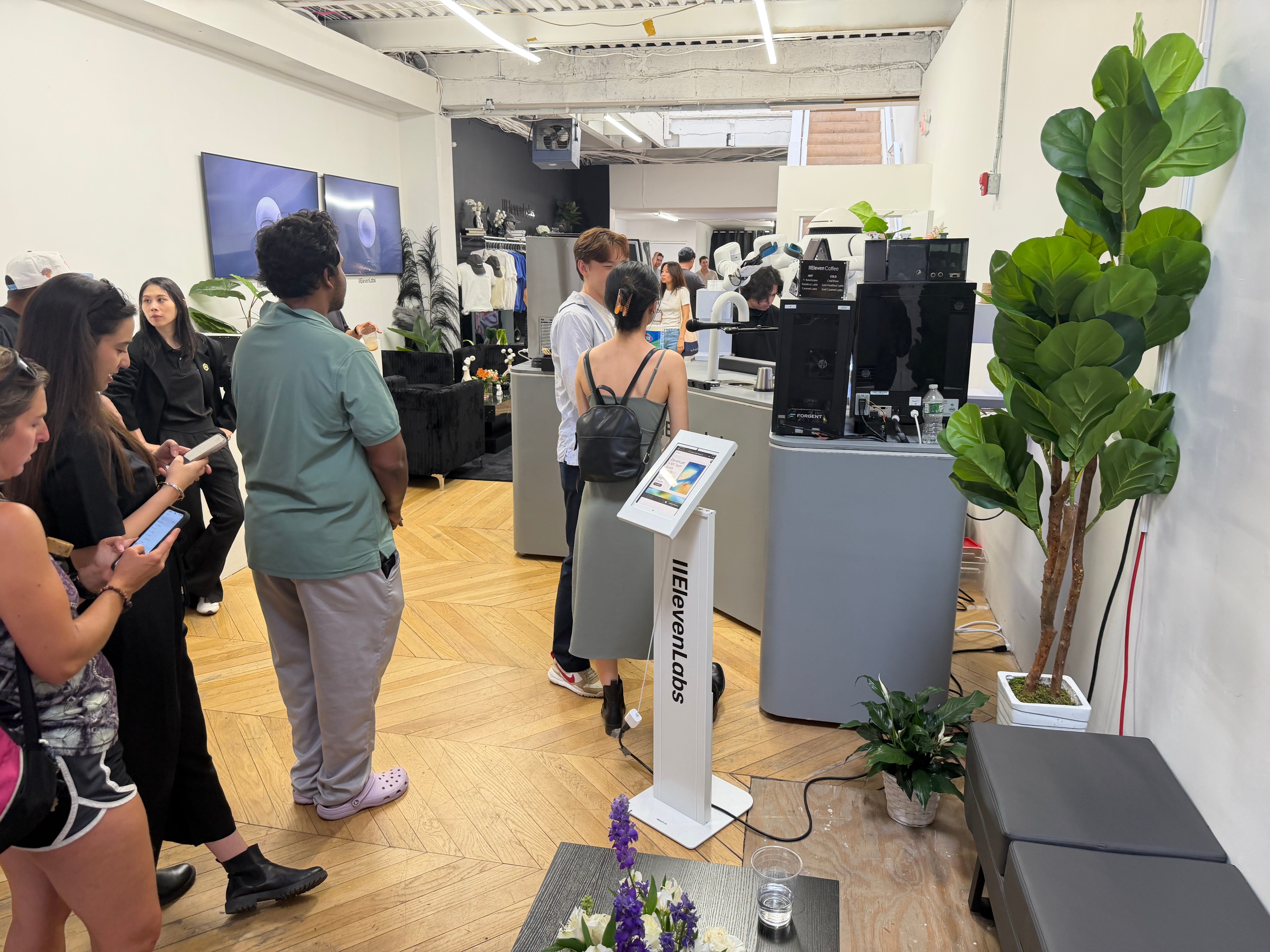
It also converts a one-time visitor into a walking advertisement. Thousands of people posted photos of "thinking" caps arranged on coffee tables. That's a receipt, physical, ownable, sharable, in a way a downloaded app icon never is.
Tips to Steal
Spend your physical footprint on prestige, not just proximity. Where you show up in real life says as much about your ambition as what you say. Choose the location like it's a headline.
Counter your category's biggest weakness with your physical space. If your industry has a trust or authenticity problem, build a space that argues the opposite through pure sensory experience, not slogans.
Give people a receipt they can hold. A cap, a tote, a cup, something physical people photograph and keep, travels further than a digital impression ever will.
Make the analog choice on purpose. Anthropic didn't hand out screens. It handed out pen and paper. In a category defined by digital output, going deliberately analog is the loudest thing you can do.
Know the difference between a stunt and infrastructure. A one-week pop-up builds buzz. Corgi's multi-city, always-open café builds a community that keeps coming back. Decide which one you're actually building.
None of these companies needed a coffee shop to keep their servers running.
They needed one to prove, in a way no benchmark score or demo video ever could, that a real person could sit in a real chair and feel something other than being sold to.
When your whole product is invisible, the most expensive thing you can buy is proof that you're real.
Frequently Asked Questions
Why are AI companies opening coffee shops?+
To build trust and brand awareness through physical, real-world experiences, countering AI's reputation for being disembodied, fast, and increasingly associated with low-quality "slop" content. A café offers a slow, human, sensory experience that a digital product can't replicate.
Which AI companies have opened cafes?+
Anthropic ran the Claude Café pop-up in New York, Perplexity opened the permanent Café Curious in Seoul, Corgi (an AI insurance startup) runs cafes in San Francisco and Atlanta with a New York location signed, and Cursor has run its own café activation in San Francisco.
Why do these companies choose expensive locations?+
A company's one physical footprint communicates its ambition and status. Locating in prestige districts like Seoul's Cheongdam-dong or near Madison Square Park signals the brand belongs among established luxury and prestige names, even before anyone tries the product.
What was Anthropic's Claude Café?+
A weeklong pop-up at Air Mail's newsstand in New York's West Village in October 2025, part of Anthropic's "Keep Thinking" campaign. It offered free coffee for app downloads, "thinking" caps, tote bags, and copies of CEO Dario Amodei's book, framed as a "zero slop zone."
Is this a real trend or a one-off?+
It's an emerging, multi-company pattern. Beyond the examples above, AngelList turned its San Francisco office lobby into "Founders Cafe" after a CEO's social media poll, suggesting the tactic is spreading quickly across the AI and adjacent startup ecosystem.
Written by

I’m Ramaa, a writer and creator at Scribble. I’ve written two books, and writing is something I always find my way back to, whether that’s articles, scripts, captions, or overly long notes app rambles I swear will “be useful later.” I enjoy thinking about why people create, how ideas spread online, and what makes content feel genuinely human. When I’m not writing, I look after regulatory compliance and legal admin at Scribble, and I’m a graduate of the School of Policy, New Delhi. Outside of work, I’m a musician and an avid reader.