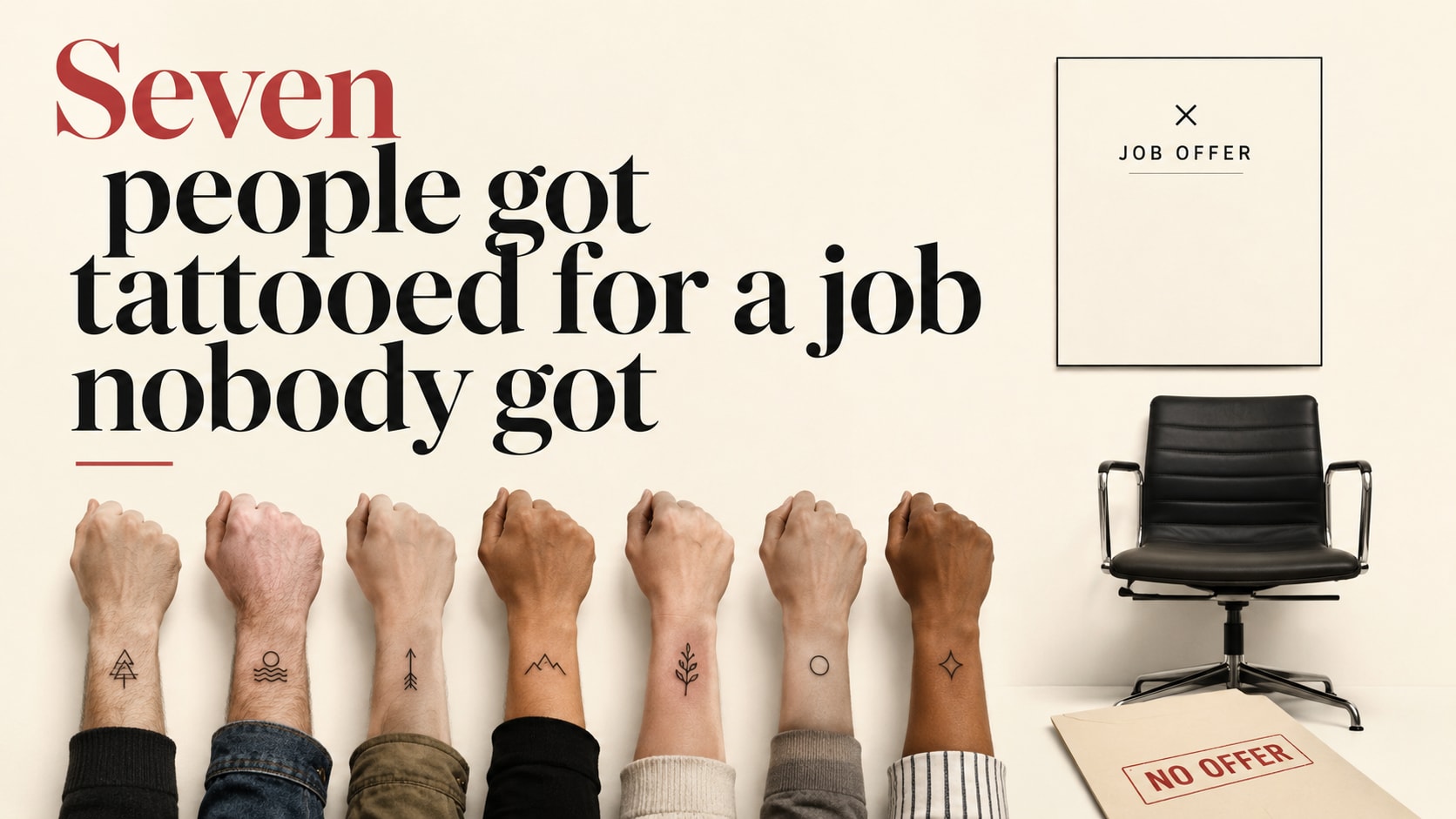
A YC backed AI company offered instant job interviews to anyone who got its tattoo. The post is deleted, the founder has apologised, and the story is still being written about three weeks later. Here is what actually happened, and the distribution lesson underneath it.
THE SHORT ANSWER In late July 2026, San Francisco AI startup LemonLime brought a tattoo artist to its unofficial Y Combinator Startup School afterparty and offered an instant job interview to anyone who got a LemonLime tattoo. Seven people took the offer. The founder posted about it on LinkedIn on 29 July, the post was screenshotted onto X, and the backlash was immediate. Co-founder Jordan Zietz deleted the posts on 30 July, said he had messed up, confirmed interviews had been open to everyone regardless, and offered to pay for tattoo removal. At least fifteen publications covered it within two weeks, including Fortune, WIRED, Inc., Fast Company and Business Insider. There is no published evidence that the stunt produced signups, customers or revenue. What it verifiably produced was attention, and a frame the company did not choose. |
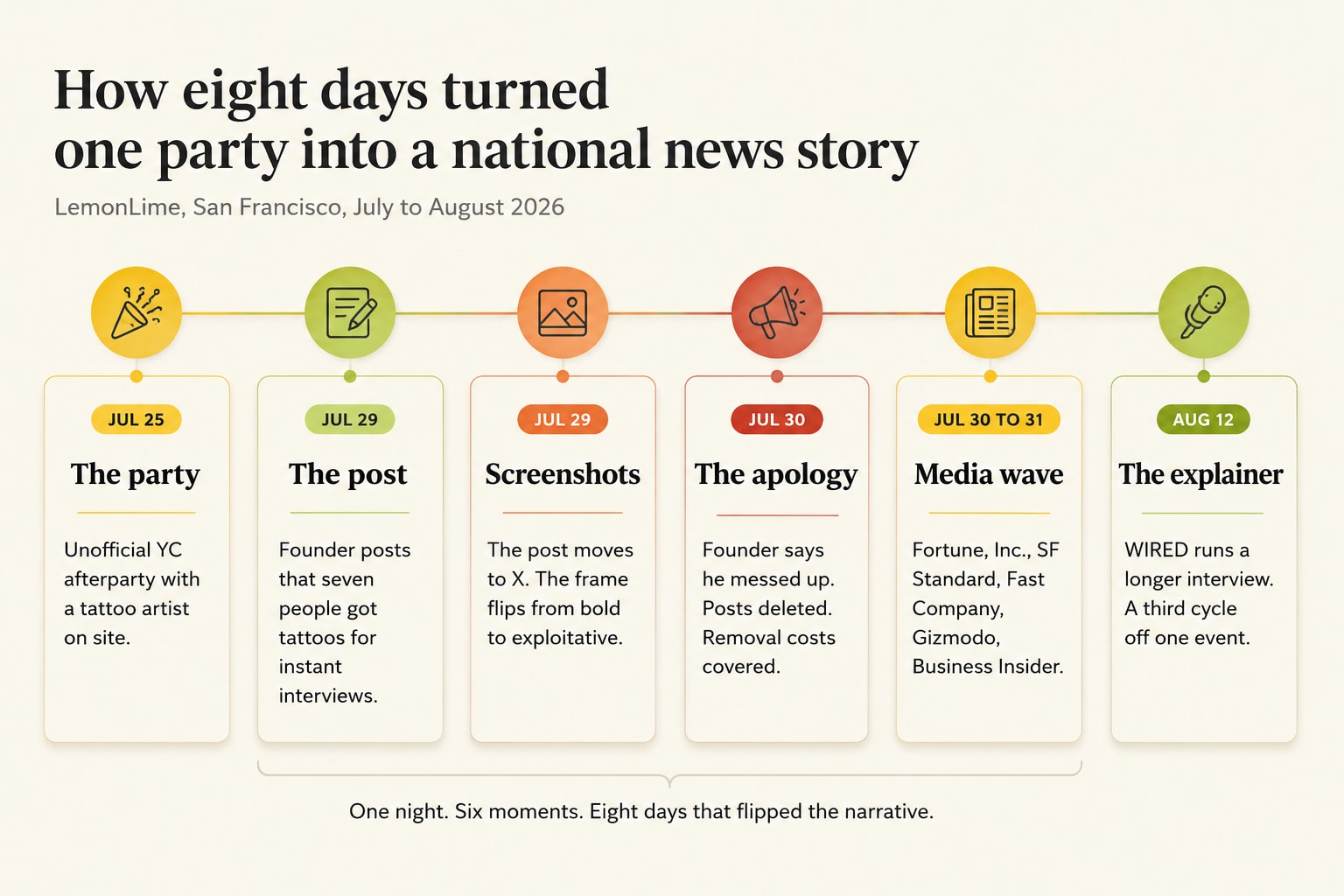
Figure 1. The eight day sequence, from an office party to a national story.
What actually happened at the LemonLime party
On 25 July 2026, LemonLime hosted an unofficial afterparty for Y Combinator Startup School at its own San Francisco office in SoMa. The Luma listing was titled “YC x LemonLime, Calling All Crazy Builders Afterparty”. It promised drinks, a competition and a surprise for every guest. It described the crowd it wanted as unhinged builders. It did not mention tattoos.
Roughly 173 people turned up. A tattoo artist was set up in a corner. Two flyers did the real work. One read that there was an instant interview for anyone who got a tattoo. The other offered that the top three most liked LinkedIn posts about LemonLime by 10pm would go skydiving with the team. An attendee posted photographs of both flyers, which is how most of the reporting was later corroborated.
The skydiving offer was not improvised. At Confetti, an earlier company from the same two founders, the final stage of hiring a founding engineer reportedly involved skydiving with the team. That matters for how you read the whole event: this was not one strange idea, it was a house style.
Who LemonLime is
LemonLime is a Y Combinator backed, San Francisco based AI automation company founded by Jordan Zietz and Daniela Muniz. Y Combinator lists it at five employees. The product is no-code AI that connects to a company’s existing tools, learns its information and workflows, and then builds automations without the company needing engineers. Its launch positioning was that only one in twenty businesses currently sees value from its AI spend, and that AI leverage should not be restricted to companies with engineering teams.
Hold that next to what happened. Almost nobody who now recognises the name LemonLime discovered it through any of that.
How many people got tattoos, and did they all get the logo?
Seven people got tattoos at the party. That number comes from Zietz’s own now deleted post and has been repeated across coverage.
The detail most viral retellings got wrong is what was inked. Participants chose their own designs, and the tattoo station offered pre-drawn lemon and lime options. One attendee who appears in the photo from the original post clarified publicly that hers was a personal design and that she was not job hunting, while adding that almost everyone else did take a LemonLime tattoo. Zietz, his co-founder and several members of the founding team also got the company tattoo, and Zietz put the logo on his shoulder.
PRECISION MATTERS HERE Supported: seven people got tattoos at an event where the company had publicly offered instant interviews to anyone who got a LemonLime tattoo, and one participant says most of them took the company design. Not supported: that all seven were job applicants, that all seven took the logo, or that anyone was refused an interview for declining. |
Why it blew up
The tattoos were not the problem. The trade was.
In the original LinkedIn post, Zietz wrote that the company brought an actual tattoo artist to the party and offered “an instant interview to anyone who got a LemonLime tattoo”, framing it as a way to find people “just as crazy as we are”. Read in a startup feed, that is founder bravado. Read by anyone job hunting in a tech market full of layoffs, it is a company with hiring power asking strangers for something permanent and offering a conversation in return. Not a job. Not a salary. Not equity. An interview.
One widely shared reaction on X, quoted by Fortune, was that the job market cannot be this cooked. Comparisons to Black Mirror followed within hours. An employment lawyer quoted in the coverage added a second problem: if a hiring process favours candidates who accept a tattoo, anyone who cannot get one for religious or medical reasons is arguably being treated differently, which is where a stunt becomes a legal exposure.
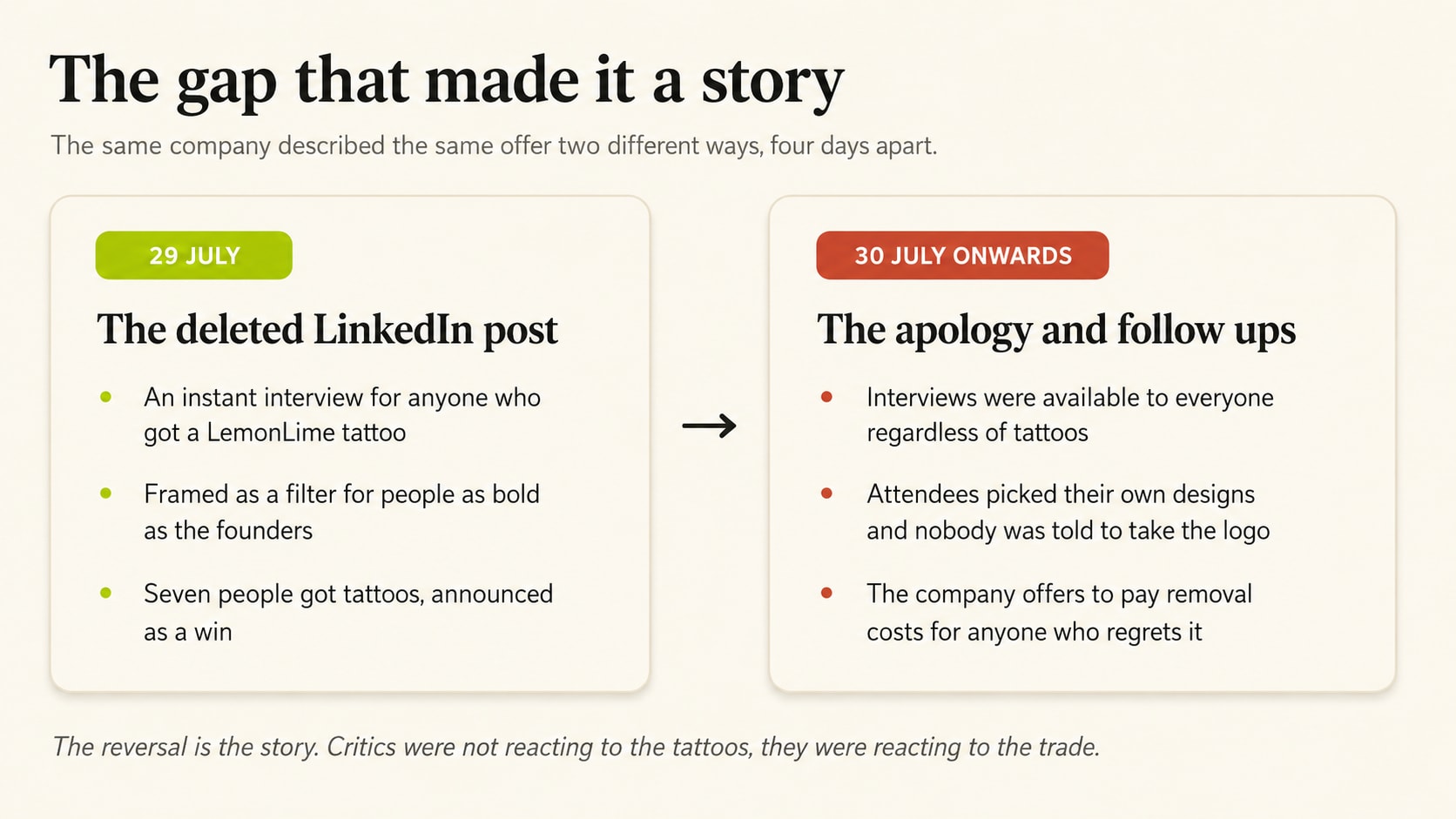
Figure 2. The same offer, described two ways, four days apart.
What the founder said afterwards
On 30 July, Zietz posted a public apology. He said he had messed up, that what he thought would be a fun and memorable way to meet people was reckless, and that it came across as tying a permanent tattoo to a job opportunity. He said the posts had been taken down, everyone who participated had been contacted, interviews had been available to everyone regardless of tattoos, and the company would cover removal costs for anyone with delayed regret.
Coverage differs on where the apology ran. Gizmodo and Futurism report it on X. KRON4 and Moneywise quote it as a LinkedIn post. Business Insider reported that he initially defended the idea and that multiple apology posts were later deleted. If you are citing a platform, cite the outlet with it.
His later framing was not that it was a joke. It was that LemonLime is trying to hire for risk appetite and culture fit. He has said the team works from the office seven days a week and that more than a dozen candidates withdrew after learning they would be expected to work past 5pm and on weekends. LemonLime told Inc. that all seven tattoo recipients had either completed or scheduled an interview for AI engineer or go to market engineer roles, and that all seven remained in the process. Nobody was promised a job.
So was it good marketing?
The honest answer is that it produced a volume of attention a five person company cannot buy, and there is no public evidence it produced a single customer.
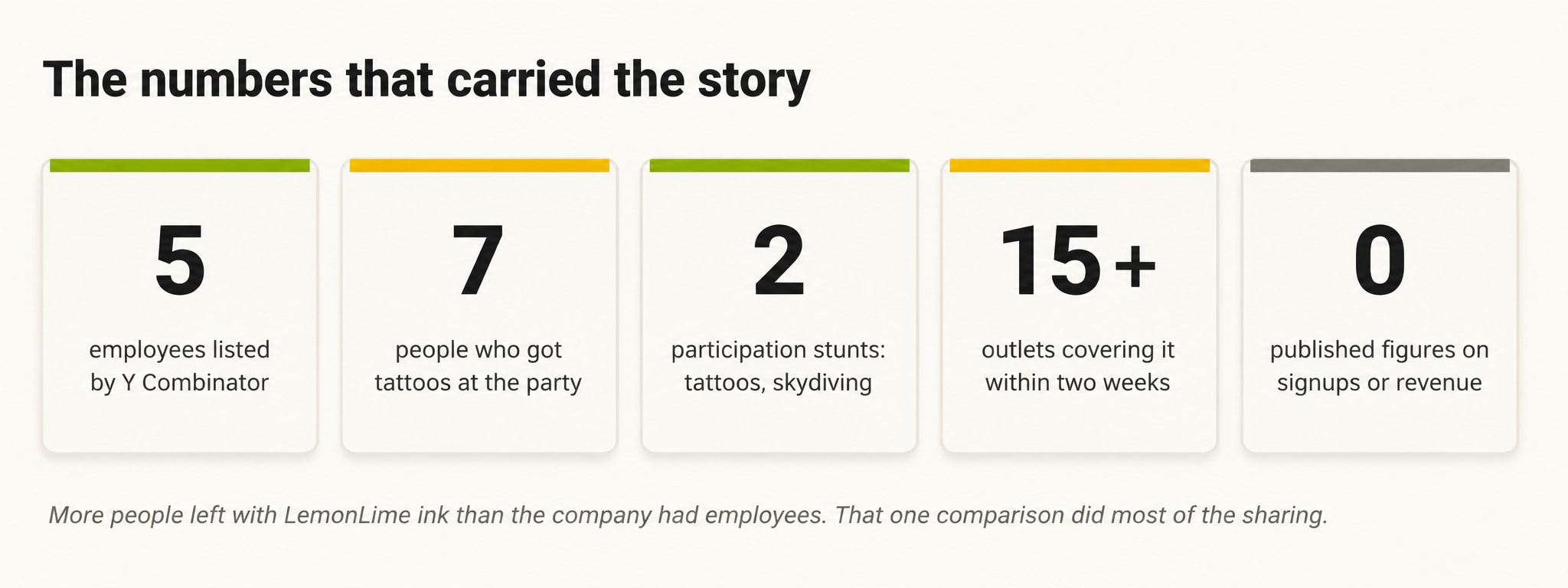
Figure 3. The numbers that did the sharing. The last one is the one to sit with.
Resist the temptation to price this as free advertising. No signup numbers, applicant numbers, revenue figures or valuation moves have been published. What is verifiable is the reach, and the machinery that produced it. The event was engineered so that guests, not the company, made the content.
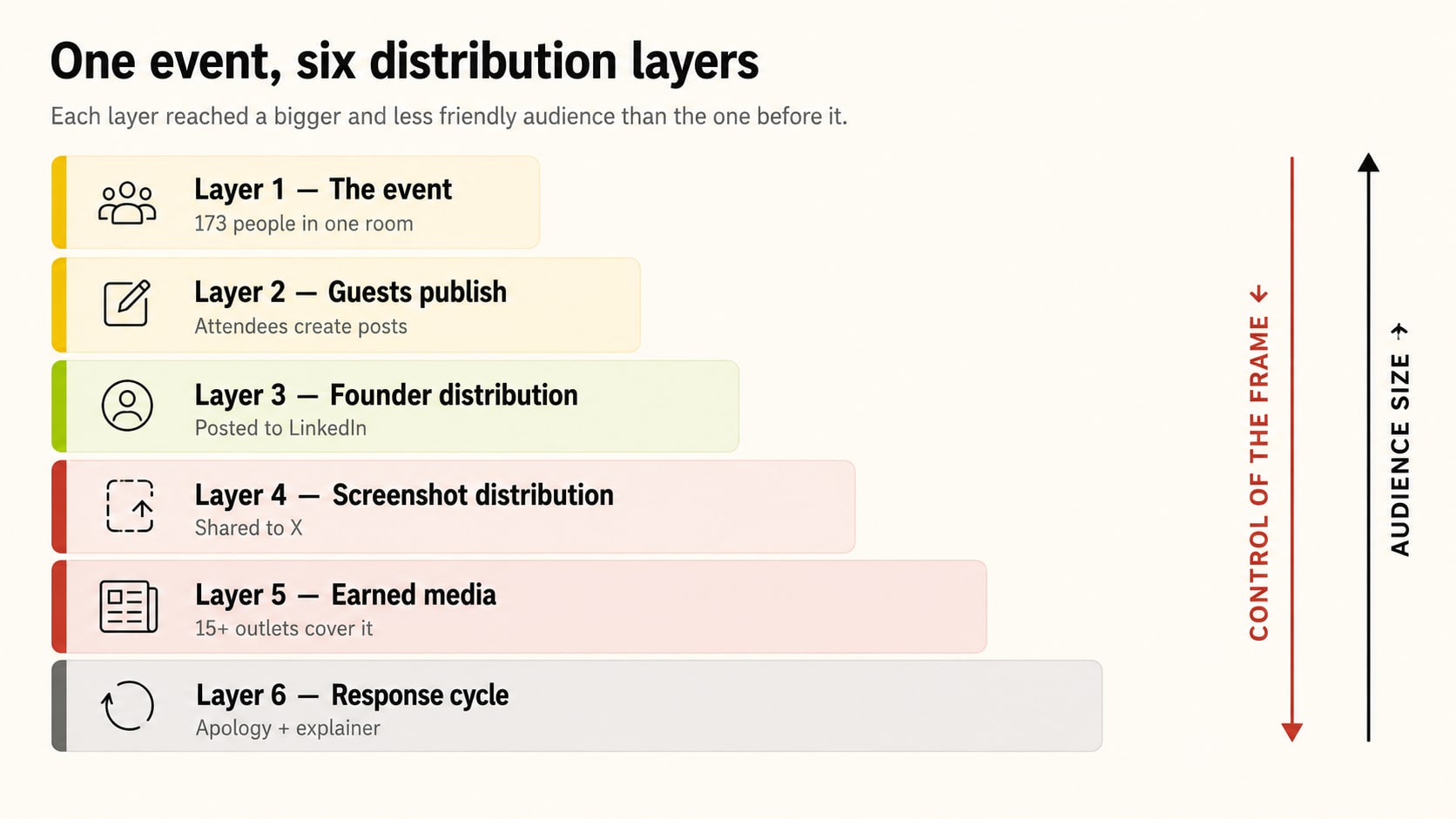
Figure 4. Six layers of distribution off one party. The company controlled the first three.
Read that top to bottom and the pattern is clear. The company designed layers one to three and lost the frame at layer four. From that point on, the reach kept growing while the story stopped being about LemonLime’s product and became about LemonLime’s judgement. The apology and the WIRED interview were not marketing. They were the invoice.
This has been tried before, and the difference is the whole lesson
In 2013, New York brokerage Rapid Realty offered its own staff a permanent fifteen percent commission increase if they tattooed the company logo on themselves. Dozens did. It was covered as quirky, not predatory.
Same mechanic. Opposite risk distribution. Rapid Realty asked people already inside the company and paid them permanently for a permanent act. LemonLime asked people outside the company, most of them wanting work, and offered a meeting. The stunt did not fail because it was weird. It failed the asymmetry test.
Five things marketers should actually take from this
Design the smallest action that turns a guest into a publisher. The tattoo got the headlines, but the LinkedIn posting contest was the cleverer mechanic: it converted attendance into content at zero marginal cost. Ask what the lowest friction version of that is for your own audience, then remove the part that asks for something permanent.
People share stories, not products. LemonLime’s product explanation is rational and completely unshareable. The tattoo is irrational and travelled across fifteen publications in a fortnight. If your only distribution asset is a description of what you sell, you do not have distribution.
Attention arrives with a frame attached, and the frame is not yours. LemonLime got the reach it wanted and lost control of the interpretation on the way. Every cycle after 29 July was spent on the stunt, not the product. Attention you cannot redirect is not distribution, it is weather.
Run the asymmetry test before you run the campaign. Who takes the permanent risk, and who takes the upside? If the answer is that your audience takes the risk and you take the upside, you have not designed a campaign, you have designed a backlash with a delay on it.
Have the second asset ready before you publish the first. LemonLime’s follow up was an apology, which means its critics wrote the second half of the campaign. If you are planning a spike, decide in advance what the next post is and what it converts attention into: an email capture, a product moment, a real thing you own.
The part almost every writeup missed: this is now a permanent AI search result
Zietz deleted the posts. He could not delete the coverage, and the coverage is what matters now.
Fifteen plus outlets writing the same story in two weeks does something that did not used to happen. It creates a dense, cross corroborated cluster of editorial content about a five person company. Language models lean heavily on exactly that kind of long form editorial when they answer questions, which means LemonLime is now standing inventory for any query about hiring stunts, recruitment marketing, startup culture or AI company behaviour. Ask an assistant for examples of employer branding gone wrong and this is in the answer set, with the critics’ framing attached, long after the news cycle ended.
That is the real cost, and it is a new one. A bad ad used to expire. A bad news wave now compounds, because it becomes the training and retrieval material for how machines describe you.
The flip side is the opportunity most brands are ignoring. The same mechanism that made LemonLime permanently findable for a stunt is available deliberately, for what you actually want to be known for. The companies winning AI visibility right now are the ones building that citation footprint on purpose instead of by accident.
The facts, in one place
Field | Detail |
Company | LemonLime, San Francisco, no-code AI automation, Y Combinator backed |
Founders | Jordan Zietz (CEO) and Daniela Muniz |
Team size | Five employees, per the Y Combinator company listing |
Event | “YC x LemonLime, Calling All Crazy Builders Afterparty”, an unofficial YC Startup School afterparty, not an official YC event |
Event date | 25 July 2026, LemonLime’s office in SoMa, San Francisco |
Attendance | Approximately 173 people |
The offer | An instant interview for anyone who got a LemonLime tattoo, advertised on a flyer at the event |
Second offer | The three most liked LinkedIn posts about LemonLime by 10pm would go skydiving with the team |
Tattoos | Seven attendees got tattoos. Designs were self chosen. One participant says most took the company design. The founders and several of the founding team also got it. |
Viral post | LinkedIn, 29 July 2026, since deleted |
Apology | 30 July 2026. Reported on X by Gizmodo and Futurism, quoted as a LinkedIn post by KRON4 and Moneywise. Posts removed, removal costs offered. |
Roles involved | AI engineer and go to market engineer. All seven were still in the interview process as of Inc.’s reporting. |
Business outcome | No published data on signups, applicants, revenue or valuation |
Sources
Luma event listing, YC x LemonLime Calling All Crazy Builders Afterparty
Cyprus Mail, on the Confetti skydiving precedent and Rapid Realty 2013
Frequently Asked Questions
What is LemonLime?+
A San Francisco AI automation startup backed by Y Combinator, founded by Jordan Zietz and Daniela Muniz, listed at five employees. Its product builds AI automations for companies without in house engineers.
Did people really get a company logo tattooed for a job interview?+
Seven people got tattoos at LemonLime’s party after the company advertised an instant interview for anyone who got a LemonLime tattoo. Designs were self chosen and not everyone took the logo, though one participant said most others did.
Did the tattoos get anyone hired?+
No hires have been reported. LemonLime told Inc. that all seven had completed or scheduled interviews for AI engineer or go to market engineer roles and remained in the process.
Did the founder apologise?+
Yes, on 30 July 2026. He said he had messed up, called the stunt reckless, deleted the posts, said interviews were open to everyone regardless, and offered to cover tattoo removal costs.
Was this an official Y Combinator event?+
No. It was an unofficial afterparty hosted by LemonLime around YC Startup School, at LemonLime’s own office. LemonLime became permanently findable in AI answers for the one thing it wishes it had never posted. Most brands have the opposite problem: they are invisible for the things they actually want to be known for. Scribble Network builds that citation footprint deliberately, so the answer an AI gives about your category includes you. See scribble.network or read how we took a client from near zero to nine percent AI share of voice in fifteen days. Related reading How Ownly undercut Swiggy and Zomato by 12.1 percent without building a delivery fleet Case study: from near zero to 9 percent AI share of voice in 15 days, the RocketX campaign
Written by

I’m Tanmay Tarte, a community builder at Scribble and an engineering graduate from Priyadarshini College of Engineering. Over the years, I’ve worked across community management, content, hosting, and social media, mainly within the Web3 and creator ecosystem space. Outside of work, I’m a huge sports enthusiast and can genuinely play cricket all day, every day.